Why are you considering window or door replacement?
No votes yet. Yours will be the first. · saved on this device
Loading...
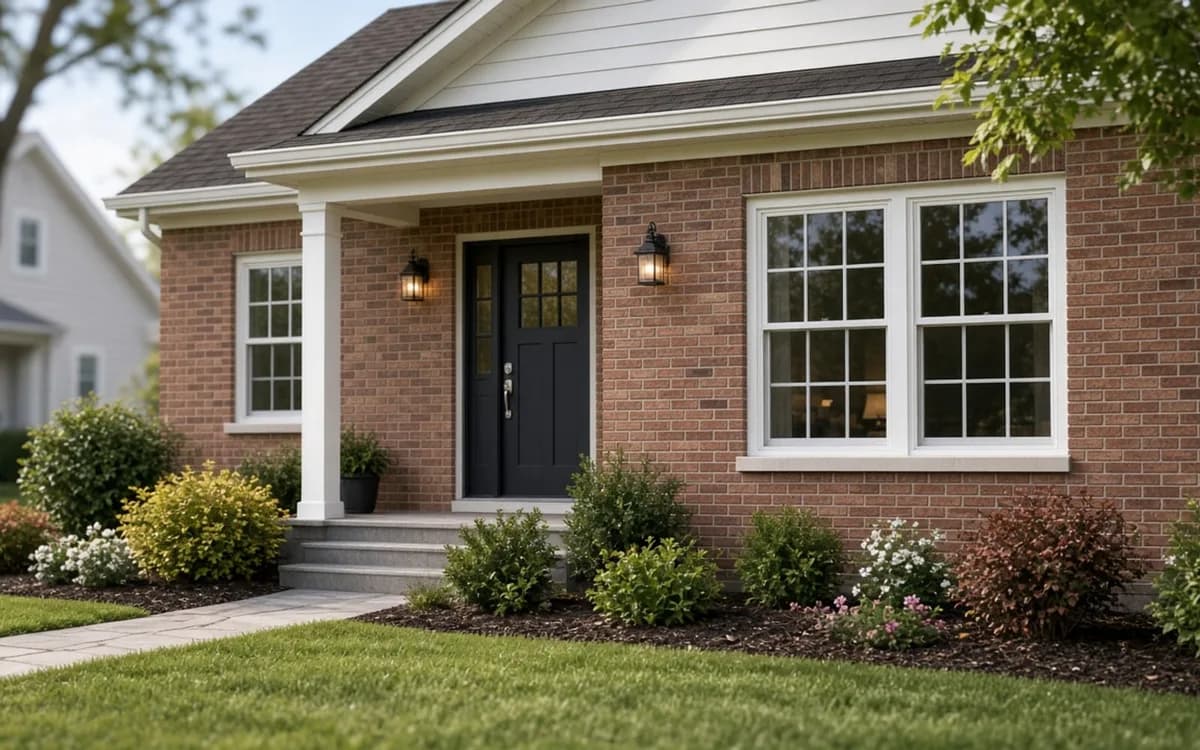
Home Energy Scope · Window & Door Replacement cost guide
Window replacement averages about $800 per window in 2026 per Fixr, typically $450 to $1,200, and a whole-home project averages $7,347 per HomeAdvisor, ranging from $3,436 to $11,837. Bay or bow windows run $1,800 to $4,000. A steel entry door replacement costs about $2,435 in Zonda's 2025 report. Frame, glazing and installation method drive most of the spread.
Windows are priced per opening, and the total depends on the number of windows, their size and style, frame material, glazing package and installation method. Doors add their own range. This page covers per-unit costs, tiers, add-ons, labor share, timeline, what to cut, and sample budgets for three homes. Figures are national and before rebates.
The cost table lists typical items. For the energy case and product options, see the window and door service page, and for the frame decision, the vinyl versus wood comparison. Per-unit figures are national and assume standard sizes; custom shapes, oversized units and difficult access raise them, sometimes well above the ranges shown.
| Item | Low | High | Unit | Notes |
|---|---|---|---|---|
| Vinyl window, installed | $450 | $1,200 | per window | Fixr 2026, avg $800 |
| Single-hung window, installed | $200 | $600 | per window | HomeAdvisor |
| Bay or bow window, installed | $1,800 | $4,000 | per window | HomeAdvisor |
| Installation labor | $100 | $400 | per window | HomeAdvisor; ~15–30% of total |
| Whole-home window project | $3,436 | $11,837 | flat | HomeAdvisor 2026, avg $7,347 |
| Steel entry door replacement | $2,000 | $3,000 | flat | Zonda 2025: $2,435 job |
| Patio slider or French door | $1,500 | $4,000 | per door | |
| Rough opening rot repair | $150 | $800 | per opening | When found at full-frame replacement |
Fixr's 2026 average is $800/window, with most standard vinyl windows landing between $450 and $1,200 installed. HomeAdvisor lists a single-hung window at $200 to $600 and a bay or bow window at $1,800 to $4,000. A 2025 This Old House survey reported by Pro House Maintenance put the average installed cost at about $477 per window among surveyed homeowners.
Size, operating style and glazing add to the price. Casements and sliders cost more than single-hung units, large picture windows cost more than small ones, and triple-pane or specialty coatings add a premium. Safety glazing required near doors and tubs adds cost to those openings. Ask for a per-opening price list so you can phase the work if needed. Phasing only makes sense if unit prices hold.
Vinyl is the entry tier, fiberglass and composite the middle, and wood or clad wood the top. Zonda's 2025 Cost vs. Value data prices a ten-window project at about $20,091 in vinyl and $24,376 in wood, and reports resale recovery of 68.5% and 61.2% respectively. The higher recovery for vinyl reflects its lower cost rather than stronger buyer demand.
Glazing tiers run from standard double-pane low-e with argon, to climate-optimized coatings, to triple-pane. Each step adds cost. In most climates, a quality double-pane low-e unit is the value choice; triple-pane pays off most in very cold climates and on large glass areas. Ask bidders to price both glazing levels on the same frame.
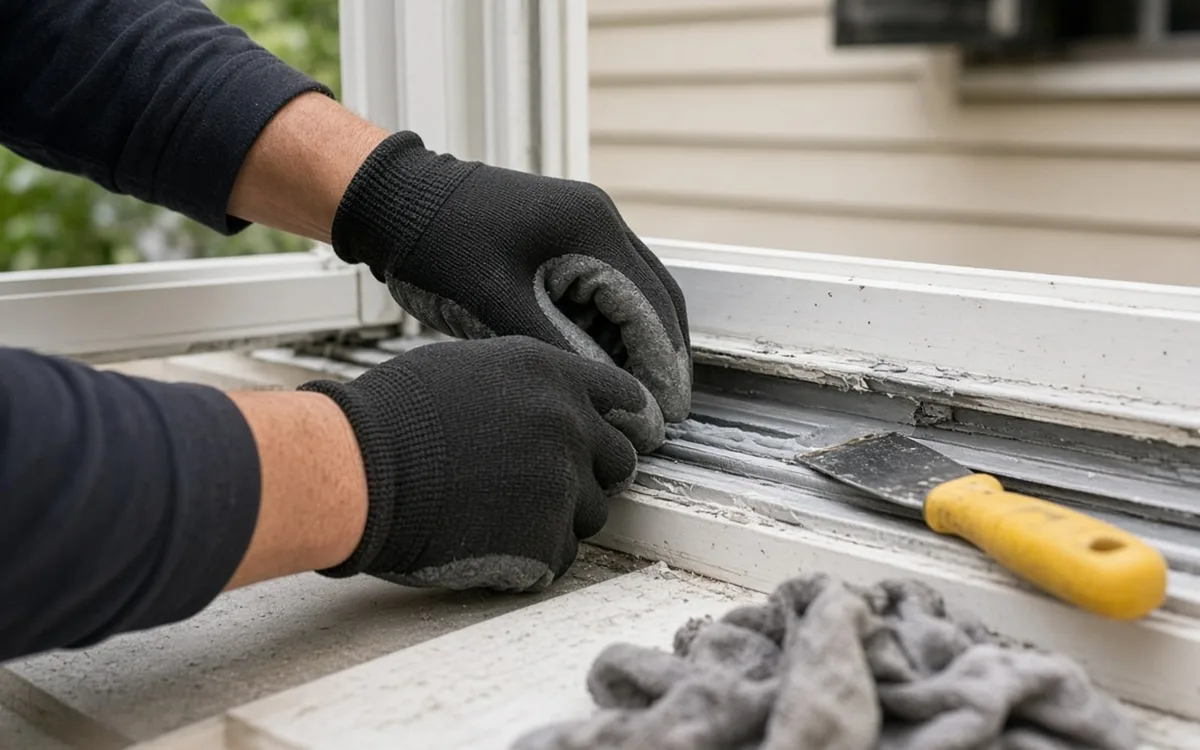
An insert installation sets a new window into the existing frame and is quicker and cheaper. A full-frame installation removes everything to the rough opening, allows inspection and repair of framing, and allows new flashing, but costs more in labor and trim. HomeAdvisor lists installation labor at $100 to $400 per window, roughly 15% of the total; Fixr puts labor closer to 30%.
Full-frame installations often reveal rot. The site's cost table lists rough opening repair at $150 to $800 per opening. For homes built before 1978, EPA lead-safe practices add setup and cleanup time. Second-story and hard-to-reach windows add labor too. Ask whether trim, disposal and repairs are included or billed separately, since these lines explain much of the gap between bids.
Zonda's 2025 report prices a steel entry door replacement at $2,435, recouping 216% of its cost at resale, one of the highest returns of any project. The site's cost table lists steel entry door replacement at $2,000 to $3,000 and patio sliders or French doors at $1,500 to $4,000 per door.
Fiberglass and wood entry doors cost more than steel, and sidelights, transoms and decorative glass add further. For energy purposes, a new threshold and weatherstripping on a sound door can be a small fraction of replacement cost, so ask a blower door tester whether the door is a meaningful leak first. Security and appearance may still justify a new door.
Through 2025, the IRS 25C credit covered 30% of qualifying windows and doors within sub-limits of $600 / $500 / $150 for windows, doors and audits. That credit ended for property placed in service after December 31, 2025. Window rebates from states and utilities are less common than insulation rebates, so budget windows at full price unless your program says otherwise.
Whole-home programs that pay for modeled savings may include windows when they contribute to the modeled result. Check your state energy office and utility, and ask each bidder which programs their products qualify for. The rebate poll shows how many readers have checked. Program rules on efficiency ratings may apply to specific products. Keep the NFRC labels for any claim.
Replace the worst windows first: failing, rotted, single-pane or on the harshest exposures. Single-pane is still common, at 33.1% of homes by our analysis of the EIA's 2024 household survey. Leave sound double-pane units for a later phase. Choose standard double-pane low-e glass rather than triple-pane in moderate climates, and standard styles over custom shapes. Consider storm windows over sound original windows as a lower-cost alternative. Each deferred opening lowers this year's bill.
Do not cut installation quality: proper flashing, perimeter air sealing, and insulation between frame and opening. A premium window installed poorly underperforms a mid-range window installed well. Keep lead-safe practices on older homes, which are required by EPA. Cutting these to save a few hundred dollars tends to cost far more later in water damage, drafts and repairs, and on older homes can expose the household to lead dust.
These examples use Fixr, HomeAdvisor and Zonda figures and exclude rebates. Actual prices depend on sizes, styles and local labor. Use the retrofit cost guide to put them in context and the estimate request to get local written quotes. Figures exclude lead-safe work, rot repair and permits, which vary by house and jurisdiction.
| Scope | Details | Estimated budget |
|---|---|---|
| Worst four windows | Vinyl, insert installation | About $1,800 to $4,800 |
| Whole home, twelve windows | Vinyl, mixed insert and full-frame | About $6,000 to $12,000 |
| Ten wood windows plus entry door | Wood, full-frame, steel door | About $26,000 to $28,000 |
Climate changes which glazing you should buy, and glazing changes price. Cold-climate buyers pay for low U-factor units and sometimes triple-pane glass. Hot-climate buyers pay for low solar heat gain coatings, especially on west and east exposures. Our analysis of EIA 2024 data found 71.5% of Southern homes still have mostly original windows, so demand for replacement there is large and competitive pricing is common in many markets.
Coastal regions with hurricane requirements often need impact-rated glass and reinforced frames, which cost considerably more than standard units. Wildfire-prone areas may require tempered glass or specific frame materials. Historic districts in older cities can require wood or clad-wood units that match original profiles. Each of these local requirements raises the per-window price well above national averages, and none is optional where it applies.
Labor rates follow local wages and demand. Metro areas and regions with strong remodeling activity tend to price above the national figures from Fixr and HomeAdvisor, while slower markets may come in below them. Lead times vary too, and demand stays high: Houzz's 2026 study found 50% of its homeowners planned renovations in 2026, so a long wait for a specific product can push installation into a busier season. Collect at least two or three local written quotes to establish the real range for your area.
By the numbers
Planning figures from published U.S. sources; every card links to where the number came from.
$800/window
average window replacement cost, typical $450–$1,200
Fixr notes labor is about 30% of the project cost and price depends on frame material and glazing, from single- through triple-pane.
Fixr, Window Replacement Cost (2026)$7,347
average whole-home window installation, range $3,436–$11,837
HomeAdvisor's per-window range spans $200–$600 for single-hung to $1,800–$4,000 for bay or bow windows; labor is roughly 15% of the total at $100–$400 per window.
HomeAdvisor, Window Installation Cost (2026)68.5%
resale recovery for vinyl window replacement ($20,091 cost, $13,766 value)
Zonda's 2025 Cost vs. Value report for a 10-window vinyl project: about 69 cents of added home value for every dollar spent, before any energy savings.
Zonda 2025 Cost vs. Value Report via GetWindowCost (2025)216%
resale return on a steel entry door replacement ($2,435 job, $5,270 value)
Zonda's 38th annual Cost vs. Value report ranks the steel entry door second overall; eight of the top ten projects are exterior replacements. Doors are the highest-ROI envelope upgrade.
Zonda 2025 Cost vs. Value Report (PR Newswire) (2025)The calculator uses the same home energy improvements benchmarks as this guide. Set the size and tier, then request a written estimate to check it against a real proposal.
Homeowner polls
No votes yet. Yours will be the first. · saved on this device
Zonda's 2025 report found vinyl recoups 68.5% at resale and wood 61.2%.
No votes yet. Yours will be the first. · saved on this device
Often slightly, because the installer spreads setup, travel and disposal across more units and may get better pricing from the manufacturer. The difference is usually modest. Replacing only the worst windows now and the rest later is a reasonable approach when the budget is limited, especially if the rest are sound double-pane units.
They remove the entire old window to the rough opening, which means more labor, new interior and exterior trim, new flashing and often repair of rotted framing. The benefit is a full inspection and a properly flashed opening. Insert installations cost less but only work when the existing frame is sound and square.
The site does not have a sourced per-window premium for triple-pane, but it adds noticeably to the price and weight of each unit. It makes the most sense in very cold climates, on large glass areas, or where noise is a concern. Ask bidders to price both double-pane and triple-pane so you can see the difference.
Roughly, but not exactly. Larger units cost more in material, and very large units need extra labor and sometimes lifting equipment, but setup and trim costs do not scale linearly. Bay and bow windows cost much more than standard windows because they involve projecting structure and roof work.
EPA's Renovation, Repair and Painting rule requires certified firms to contain dust, clean carefully and verify cleanup when disturbing painted surfaces in pre-1978 homes. That adds setup time and materials to each opening. The site does not have a sourced per-window figure, but ask each bidder to include it and to show certification.
A 2025 This Old House survey reported by Pro House Maintenance found 89% of homeowners saw lower bills after replacement, most saving $25 to $50 a month. Savings are largest when replacing single-pane glass in extreme climates. Treat energy savings as one part of the value alongside comfort, maintenance and resale.
Demand peaks in spring and fall, which can lengthen lead times and occasionally firm up prices. Manufacturers' order times of several weeks mean the installation date is often well after signing. Winter installs are possible with good practice, one opening at a time, and some installers offer better scheduling in slower months.
 Home Energy Audits · Cost guideHome energy audit cost in 2026: what each tier and test adds
A home energy audit costs about $212 to $698 in 2026, with Angi and HomeAdvisor both putting the average near $437.
 Insulation & Air Sealing · Cost guideInsulation and air sealing cost in 2026, per square foot and per project
Attic insulation averages about $2,100 in 2026 per HomeAdvisor, with a typical range of $1,700 to $2,500.
 Solar Panel Installation · Cost guideSolar panel installation cost in 2026, per watt and per system
Solar costs about $2.60 per watt in 2026 per EnergySage, or about $31,135 for a 12 kW system before incentives.
 Service guideWindow & Door Replacement
Window and door replacement addresses openings with a defined problem: damage, failed seals, poor operation, drafts, single-pane glass in a cold climate, or a door that leaks and does not latch.
Service guideHome Energy AuditsA home energy audit connects comfort complaints and utility bills to the measured condition of the house through a blower door test, thermal imaging, duct leakage testing and combustion-safety checks, then delivers written, prioritized recommendations.
Service guideInsulation & Air SealingAir sealing closes the gaps that move air through the attic plane, rim joist and penetrations; insulation slows heat conduction through the assemblies around them.
 Free toolEnergy audit cost calculator: size the assessment before the retrofit
Size, material tier and complexity in, a realistic budget range out.
 Free toolEnergy retrofit comparisons: the five decisions inside a retrofit
Side-by-side tables for the decisions that change the price most.
 Free toolEnergy retrofit readiness quiz: do you know the sequence and the tests?
10 questions that show what you already know and what to check next.
 Free toolEnergy retrofit polls: how other homeowners weighed the same decisions
See what other planners chose and add your vote.
Tell us the size, the condition of what is there now, and what you want to change. Home Energy Scope passes your request to independent local professionals, who reply with written, no-obligation estimates. The service is free to use.