Which frame material do you prefer?
Zonda's 2025 report found vinyl recoups 68.5% at resale and wood 61.2%.
No votes yet. Yours will be the first. · saved on this device
Loading...
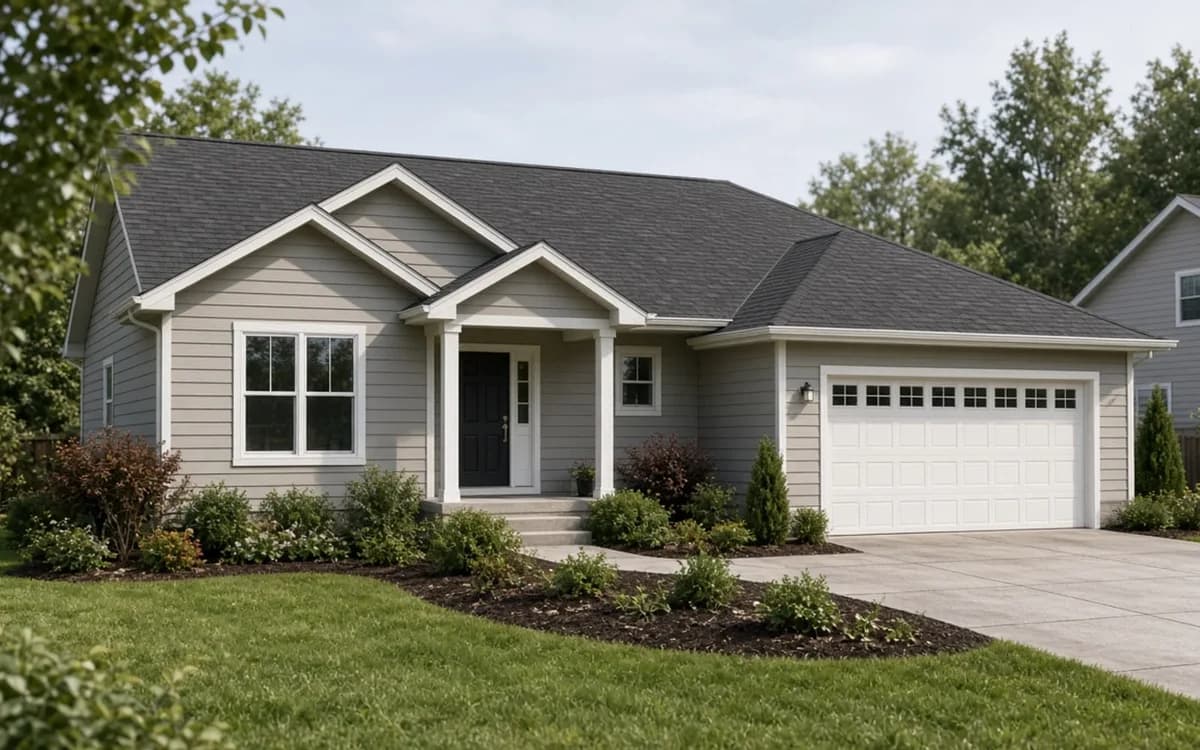
Home Energy Scope · Vinyl frames vs Wood frames
Vinyl windows cost less, need no painting and recoup more at resale: Zonda's 2025 report puts vinyl at 68.5% of cost recovered against 61.2% for wood. Wood suits historic and high-end homes, can be repaired and refinished, and costs about $4,300 more for a ten-window project. Glazing, not frame material, drives most of the energy result, so compare the NFRC labels first.
Frame material is the most visible choice in a window project and often the first one homeowners make. It affects appearance, upkeep, lifespan and price more than it affects energy use. This page covers when each frame makes sense, what ten years of ownership looks like, how climate and exposure matter, resale evidence, common mistakes, and how to compare bids that use different frames.
For the full service overview see the window and door page, and for per-window prices see the window cost page. The comparison assumes the same glazing package on both frames, because that is the only fair way to separate what the frame itself contributes to cost, comfort and upkeep from what the glass contributes.
Vinyl costs less, needs no painting and recoups more at resale in Zonda's 2025 report; wood costs about $4,300 more for a ten-window project, suits historic homes and can be repaired. Glazing performance, not frame material, decides most of the energy result.
| Factor | Vinyl frames | Wood frames |
|---|---|---|
| Upfront cost | $20,091 for 10 windows (Zonda 2025) | $24,376 for 10 windows (Zonda 2025) |
| Lifespan | 20–30 years | 30+ years with maintenance; repairable |
| Maintenance | Cleaning only | Paint or stain every 5–10 years; exterior cladding reduces this |
| Appearance | Limited colors; wider frames | Traditional profiles; paintable; suits historic homes |
| Climate fit | Expands and contracts in extreme heat | Stable; vulnerable to moisture if unmaintained |
| Install time | Same per opening | Same per opening; longer lead times |
| Resale | 68.5% recovery (Zonda 2025) | 61.2% recovery (Zonda 2025) |
| Best for | Most homes; budgets; low maintenance | Historic districts; owners who will maintain them |
Vinyl wins for most homes on cost, maintenance and resale: Zonda's 2025 report finds 68.5% recovery against 61.2% for wood, on a project that costs about $4,300 less. Choose the glazing carefully, since U-factor and solar heat gain decide the energy result more than the frame, and make sure the installer flashes the opening properly regardless of material.
Wood wins in historic districts that require it, in homes where the interior trim is part of the architecture, and for owners who prefer a repairable window to a replaceable one. Aluminum-clad wood removes most of the exterior maintenance. Fiberglass is the quiet third option: stable in heat, paintable, priced between the two. See the window page for the assembly details that matter in every material.
Vinyl suits most suburban homes built after about 1950, rentals, and any house where low maintenance matters more than traditional detail. It comes in limited colors, and dark vinyl can be more prone to heat distortion, so white and light tones are most common. Fixr's average replacement cost of $800/window sits toward the vinyl end of the range.
Wood suits historic homes, houses with prominent original trim, homes in historic districts where commissions review changes, and owners who want painted or stained interiors. Clad wood, with aluminum or vinyl on the exterior and wood inside, offers a middle path with less exterior upkeep. Fiberglass is another option that paints well and moves little with temperature.
Zonda's 2025 Cost vs. Value data prices a ten-window vinyl project at about $20,091 and a wood project at about $24,376, a difference of roughly $4,300. Over ten years, vinyl needs cleaning and occasional hardware adjustment. Wood needs exterior paint or stain every several years depending on exposure, and any finish failure risks rot at the sill, which adds to the lifetime cost.
Energy costs are close between the two when the glazing is the same, because frame material covers a small share of the window area. The difference in ten-year cost therefore comes mostly from first cost and upkeep, not from utility bills. That favors vinyl for households that want the lowest total cost, and wood for those who value appearance and repairability enough to maintain it.
In cold climates, both frames perform well when paired with low U-factor glass. Wood has slightly better frame insulation than hollow vinyl, but multi-chamber vinyl frames close much of that gap. Our analysis of EIA 2024 data shows 33.1% of homes still have mostly single-pane windows; for those homes, the jump to double-pane low-e glass matters far more than the frame.
In hot, sunny climates, west and south exposures stress both frames. Vinyl expands and contracts more than wood, so quality welded corners and reinforcement matter. Wood exposed to strong sun and rain needs more frequent finishing. Our analysis of EIA 2024 data found 71.5% of Southern homes have mostly original windows, and low-SHGC glazing is the priority there regardless of frame.
Zonda's 2025 Cost vs. Value report found vinyl replacement recouping 68.5% of cost and wood recouping 61.2%. The higher percentage for vinyl reflects its lower cost rather than a buyer preference. In markets with many historic or high-end homes, wood windows may matter more to buyers than a national average suggests.
The National Association of Realtors reported 37% of agents rank windows, doors and siding as the most important green features, so new windows of either frame generally help a listing. The key for resale is that the windows fit the house: vinyl on a period home can hurt its appeal, while expensive wood on a modest house may not return its premium. Match the frame to the house and the neighborhood as well as to the budget.
With vinyl, the common mistakes are choosing the cheapest line with thin walls and poor welds, and using dark colors on hot exposures without checking the manufacturer's heat rating. With wood, the mistake is under-budgeting finish maintenance, or buying unclad wood for a severe-weather exposure. With either, a poor installation matters more than the frame: gaps at the rough opening, missing flashing or unsealed perimeters undo good glazing.
Another frequent mistake is replacing sound original wood windows in a historic home when repair and storm windows would serve better and preserve character. In those homes, get a repair estimate alongside replacement bids; with 62.4% of homes still on mostly original windows by our count of EIA 2024 data, repair is a live option in many houses. The insulation versus windows comparison explains when window spending should wait. In short, fix the installation details and the attic before paying a premium for any frame.
Normalize the glass first: the same U-factor and SHGC on every bid lets you compare frames fairly. Then compare installation method (insert or full-frame), interior and exterior trim, flashing, disposal, lead-safe practices on pre-1978 homes, and warranty terms for frame, glass seal and labor. Ask for the product line name and the NFRC label values for each window size. Those two details let you check the quote against the manufacturer's own literature.
Ask whether the price includes repairing rough openings found to be rotted, which the site's cost table lists at $150 to $800 per opening. Wood bids should state the factory finish and any required field finishing. The materials guide covers glazing in more depth, and the estimate request lets you specify frame and glazing so bidders quote comparable units.
Replacement is not the only option, and in some houses it is not the best one. Older wood windows built with dense old-growth lumber can often be restored: sashes reglazed, sash cords or balances replaced, weatherstripping added and paint renewed. Paired with interior or exterior storm windows, a restored single-pane window can approach the performance of an older double-pane unit, and the approach preserves the original appearance that historic district commissions often require.
Repair makes the most sense when the frames and sills are sound, the house has architectural value, and the budget favors a phased approach. It makes less sense when rot has spread into the frame, when many sashes are missing or badly damaged, or when the household wants tilt-in cleaning and minimal upkeep. A restoration specialist can assess each window and separate those worth saving from those that should be replaced, which often produces a mixed plan.
Cost comparisons between repair and replacement are hard to make from national data, and the site does not have a sourced restoration range, so get a written repair estimate alongside replacement bids. The bullets in this section list what a restoration estimate should cover so it can be compared with a replacement quote on the same terms. A mixed plan often lands between the two in cost.
Homeowner polls
Zonda's 2025 report found vinyl recoups 68.5% at resale and wood 61.2%.
No votes yet. Yours will be the first. · saved on this device
No votes yet. Yours will be the first. · saved on this device
Modestly. Vinyl and wood frames insulate similarly; fiberglass is slightly better; bare aluminum is much worse. The glazing package, with low-e coatings, gas fill and pane count, moves the whole-unit U-factor far more. Compare NFRC labels for the complete window rather than assuming by material.
Quality vinyl with reinforced frames handles most climates, but dark-colored vinyl in intense sun expands more and some makers restrict dark exteriors. Fiberglass or clad wood is safer for dark colors on sun-exposed walls. Ask the installer about the maker's color and climate guidance.
Often. Fiberglass frames expand at a rate close to glass, stay dimensionally stable in heat, and accept paint, including dark colors. They usually cost more than vinyl and less than high-end wood. The site does not have a sourced resale figure for fiberglass, so judge it by the same label values and warranty terms as the other frames.
Painting vinyl is possible with vinyl-safe paints in lighter colors, but dark paint can raise frame temperatures enough to cause warping and may void the manufacturer's warranty. Many manufacturers offer factory-applied exterior colors instead. Check the warranty before painting and ask the manufacturer which colors are approved.
Quality vinyl windows commonly last several decades, with insulated glass seals often the first component to fail. Well-maintained wood windows can last much longer, and old-growth wood sashes in historic homes have lasted a century with repair. Clad wood lasts well if the cladding is intact. Warranty length is a reasonable signal of manufacturer confidence.
Noise reduction depends mainly on the glass: thicker panes, laminated glass, and triple-pane or dissimilar pane thicknesses reduce sound more than frame material does. A well-sealed installation matters too. If noise is the main goal, specify the glazing package and ask for the sound transmission rating rather than choosing a frame for that reason.
Some do not, and many require approval from a preservation commission for any change visible from the street. Commissions often favor repairing original wood windows or replacing them with wood or clad-wood units that match profiles and muntin patterns. Check local rules before collecting vinyl bids for a house in a historic district.
 ComparisonAir sealing and attic insulation vs Window replacement
In most homes, air sealing and attic insulation should come before window replacement.
 ComparisonBlown-in fiberglass or cellulose vs Spray foam
Blown-in fiberglass or cellulose over hand air sealing is the cost-effective choice for open, vented attic floors, averaging about $1,661 per project per HomeAdvisor.
ComparisonSolar with battery storage vs Solar onlyA battery adds roughly $10,000 to $20,000 to a solar system and pays off through outage backup and better value under time-of-use rates or low export credits.
 ComparisonWalk-through assessment vs Diagnostic audit with blower door
A walk-through assessment costs about $150 to $200 and uses a visual inspection and checklist to flag obvious problems.
 Service guideHome Energy Audits
A home energy audit connects comfort complaints and utility bills to the measured condition of the house through a blower door test, thermal imaging, duct leakage testing and combustion-safety checks, then delivers written, prioritized recommendations.
 Service guideInsulation & Air Sealing
Air sealing closes the gaps that move air through the attic plane, rim joist and penetrations; insulation slows heat conduction through the assemblies around them.
 Service guideWindow & Door Replacement
Window and door replacement addresses openings with a defined problem: damage, failed seals, poor operation, drafts, single-pane glass in a cold climate, or a door that leaks and does not latch.
 Service guideSolar Panel Installation
Solar panel installation covers the roof and shading assessment, equipment selection, electrical and structural permits, utility interconnection and the production and financial assumptions in the proposal.
 Free toolEnergy audit cost calculator: size the assessment before the retrofit
Size, material tier and complexity in, a realistic budget range out.
 Free toolEnergy retrofit readiness quiz: do you know the sequence and the tests?
10 questions that show what you already know and what to check next.
 Free toolEnergy retrofit polls: how other homeowners weighed the same decisions
See what other planners chose and add your vote.
Tell us the size, the condition of what is there now, and what you want to change. Home Energy Scope passes your request to independent local professionals, who reply with written, no-obligation estimates. The service is free to use.