Which would you do first?
EPA estimates sealing and insulating saves about 15% of heating and cooling costs.
No votes yet. Yours will be the first. · saved on this device
Loading...
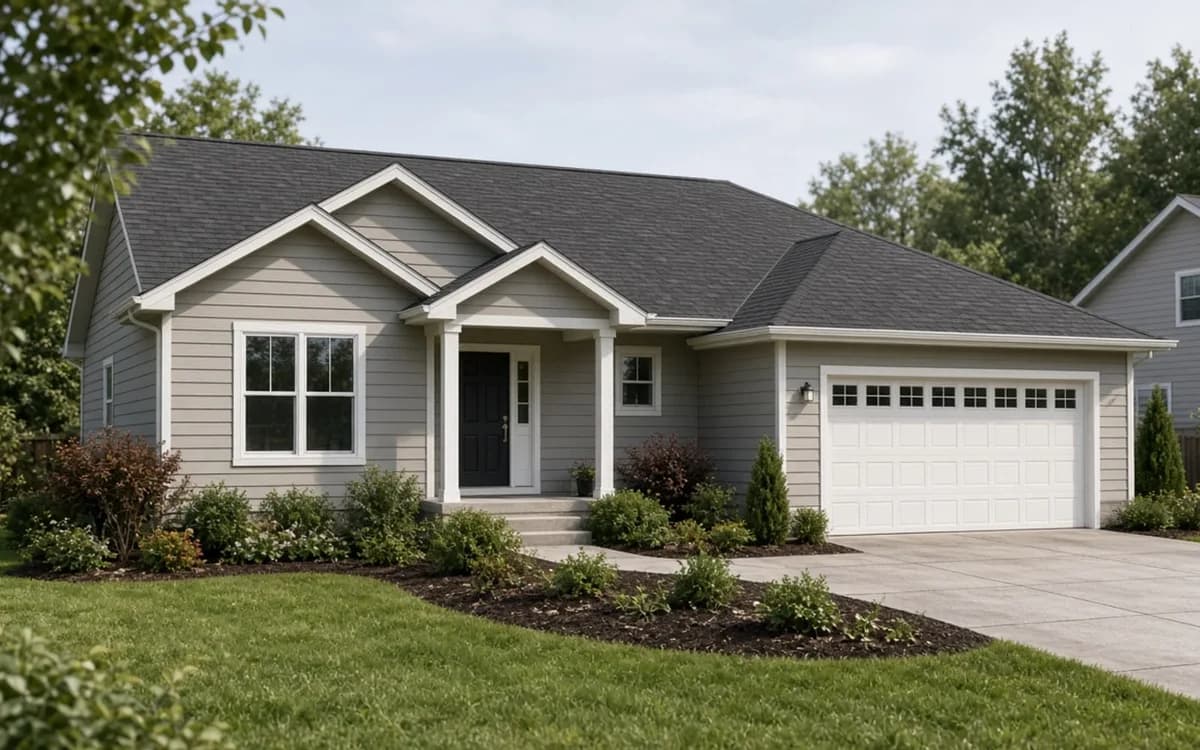
Home Energy Scope · Air sealing and attic insulation vs Window replacement
In most homes, air sealing and attic insulation should come before window replacement. ENERGY STAR estimates sealing and insulating saves about 15% on heating and cooling for a few thousand dollars, while HomeAdvisor puts a whole-home window project near $7,347. Windows win when frames are rotting, glass is single-pane in a cold climate, units will not operate, or resale appearance matters most.
This is the most common spending dilemma in energy work, because windows are the part of the envelope people can see and feel. A cold draft near a window feels like a window problem, even when the air driving it is being pulled in by leaks in the attic and basement. This page walks through realistic scenarios, a ten-year cost view, climate fit, resale, common mistakes and how to compare the two kinds of bids.
The short summary table and verdict are above; this page covers the reasoning behind them. For the details of each service, see the insulation and air sealing page and the window and door page. If you have not yet had the house tested, read the scenarios first; they explain why a blower door number often settles this question before any bids arrive.
Sealing and insulating the attic costs a few thousand dollars and saves about 15% of heating and cooling by EPA's estimate; a whole-home window project averages $7,347 and saves less on energy, though it fixes damage, operation and comfort. In most houses the envelope comes first.
| Factor | Air sealing and attic insulation | Window replacement |
|---|---|---|
| Upfront cost | $1,661 blown-in to $2,888 spray foam (HomeAdvisor 2026) | $7,347 whole-home average (HomeAdvisor 2026) |
| Lifespan | Decades if kept dry | 20–30 years; glass seals 10–20 |
| Maintenance | None; inspect after roof work | Cleaning, weatherstripping, occasional seal failure |
| Appearance | Invisible | Visible improvement inside and out |
| Energy savings | ~15% of heating and cooling (EPA) | $25–$50/month reported (This Old House survey) |
| Install time | 1–2 days | 1–3 days after 4–12 week lead time |
| Resale | Hard for buyers to see; keep the report | 68.5% recovery for vinyl (Zonda 2025) |
| Best for | Almost every home built before 2000 | Failed, damaged or single-pane openings |
Insulation and air sealing win on payback in nearly every house. EPA's 15% saving on heating and cooling for a job that HomeAdvisor prices around $2,100 is a three- to ten-year return, and the EIA's finding that 41.3% of homes are drafty at least some of the time points at the attic plane and rim joist, not the glass. Do it first, and do it after a blower door test so the sealing is verified.
Windows win when the opening has failed: rot, fogged glass, a sash that will not lock, or single-pane glass in a heating climate, which the EIA found in 33.1% of homes. They also win on comfort and appearance, and Zonda's 68.5% resale recovery for vinyl is respectable. The condition is honesty about why: replace for the problem the window has, not for an energy saving the attic would deliver for a third of the cost. The window page covers the assembly details.
Insulation and sealing come first when the attic has less than about ten inches of insulation, when upstairs rooms are hot in summer and cold in winter, when there are ice dams, or when a blower door test shows high leakage. ENERGY STAR estimates 9 in 10 homes are under-insulated, so this describes most houses. It also comes first when the budget is limited, because the work is smaller and the return is measured.
Windows move ahead when they are failing physically: soft or rotted sills, broken seals that fog the glass, sashes painted shut, or units that let in water. They also move ahead in a cold-climate house with single-pane glass and an attic that has already been done. Our analysis of EIA 2024 data found 62.4% of homes have mostly original windows, but original does not automatically mean failing; many older double-pane units still work well.
Take a typical attic scope at HomeAdvisor's $2,100 average plus sealing and a test-out, against a whole-home window project at $7,347. If the envelope work saves around 15% of heating and cooling on a bill where ENERGY STAR says nearly half goes to those uses, the savings accumulate for a decade with no maintenance. That is the clearest payback in residential energy.
Windows save less per dollar but carry other value. A 2025 This Old House survey reported by Pro House Maintenance found 89% of homeowners saw lower bills after replacement, with most saving $25 to $50 a month, and 95% said the home felt more comfortable. Add resale recovery and reduced maintenance, and windows can be a reasonable ten-year decision when the existing units are due for replacement anyway.
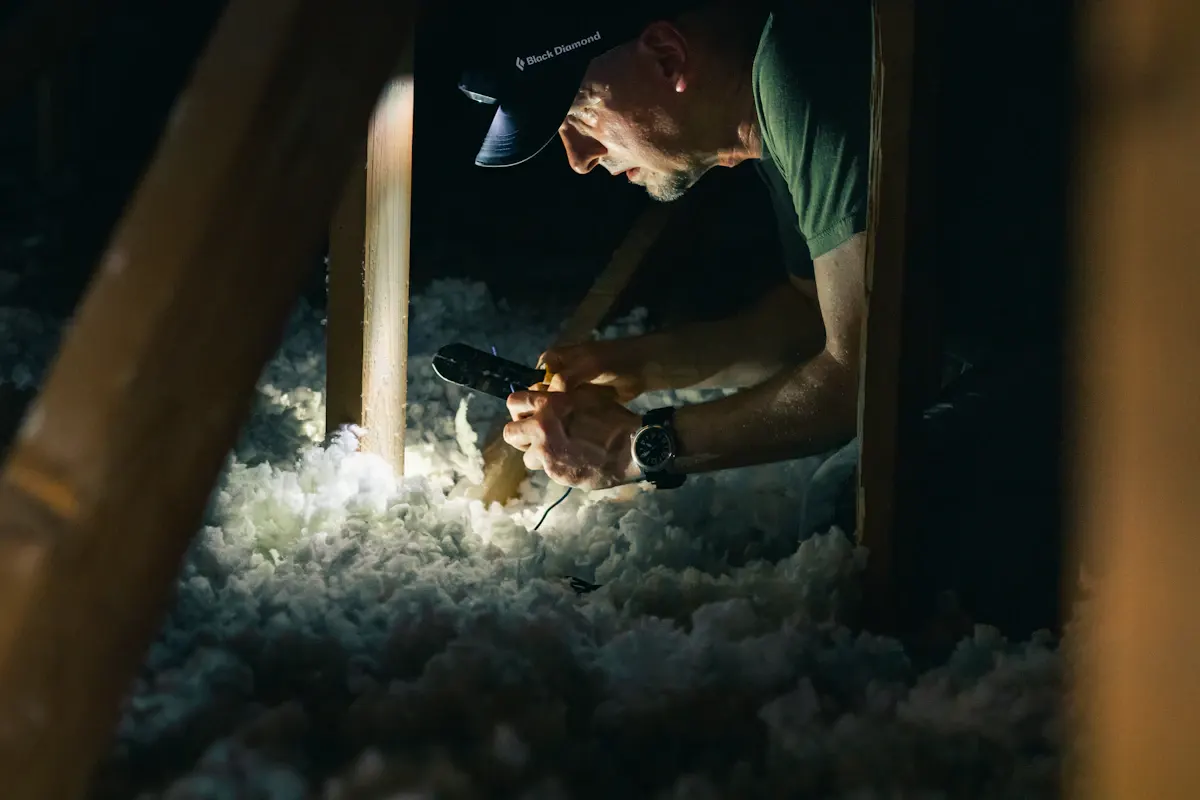
In cold climates, both measures pay, but the attic still wins first because stack-effect leakage is strongest when the temperature difference is large. Our analysis of EIA 2024 data shows 20.6% of Northeastern homes described as poorly insulated. After the attic is done, single-pane windows in those homes become the next largest loss and a good second phase.
In hot climates, the equation changes a little. Sun streaming through west-facing single-pane glass adds a large cooling load that insulation cannot stop. Our analysis of EIA 2024 data found 37.4% of Southern homes have mostly single-pane windows. There, low-SHGC replacement windows or solar screens on the worst exposures can compete with attic work, especially where the attic is already insulated but ducts run through it and need sealing.
Buyers see windows and do not see insulation. Zonda's 2025 Cost vs. Value data shows vinyl window replacement recouping 68.5% of cost at sale, and the National Association of Realtors found 37% of agents rank windows, doors and siding as the most important green features. Insulation rarely appears in a listing unless there is documentation.
Documentation changes that. A HERS rating, an assessment report or a blower door test-out gives a buyer evidence that the house performs well. RESNET reports 436,798 homes received a HERS score in 2024. If resale within a few years is the priority and the windows are visibly dated, windows may be the better visible spend; if you are staying, the attic almost always comes first.
The most common insulation mistake is adding material without sealing underneath it, which leaves the leaks that cause drafts in place. The second is blocking eave ventilation or covering recessed lights not rated for contact. The most common window mistake is buying expensive glass and then accepting a poor installation, with unsealed gaps between the frame and rough opening. A window installed without proper flashing and air sealing at the perimeter can leak more than the old one.
The mistake that affects both is buying windows to fix a draft that is actually driven by the attic. Replacing every window in a leaky house often produces a smaller improvement than expected, because the air simply finds its way in elsewhere. Drafts are common, with 41.3% of homes drafty some of the time by our analysis of the EIA's 2024 household survey, but the window is only one path. A blower door test before either project reveals where the leakage really is and prevents that outcome.
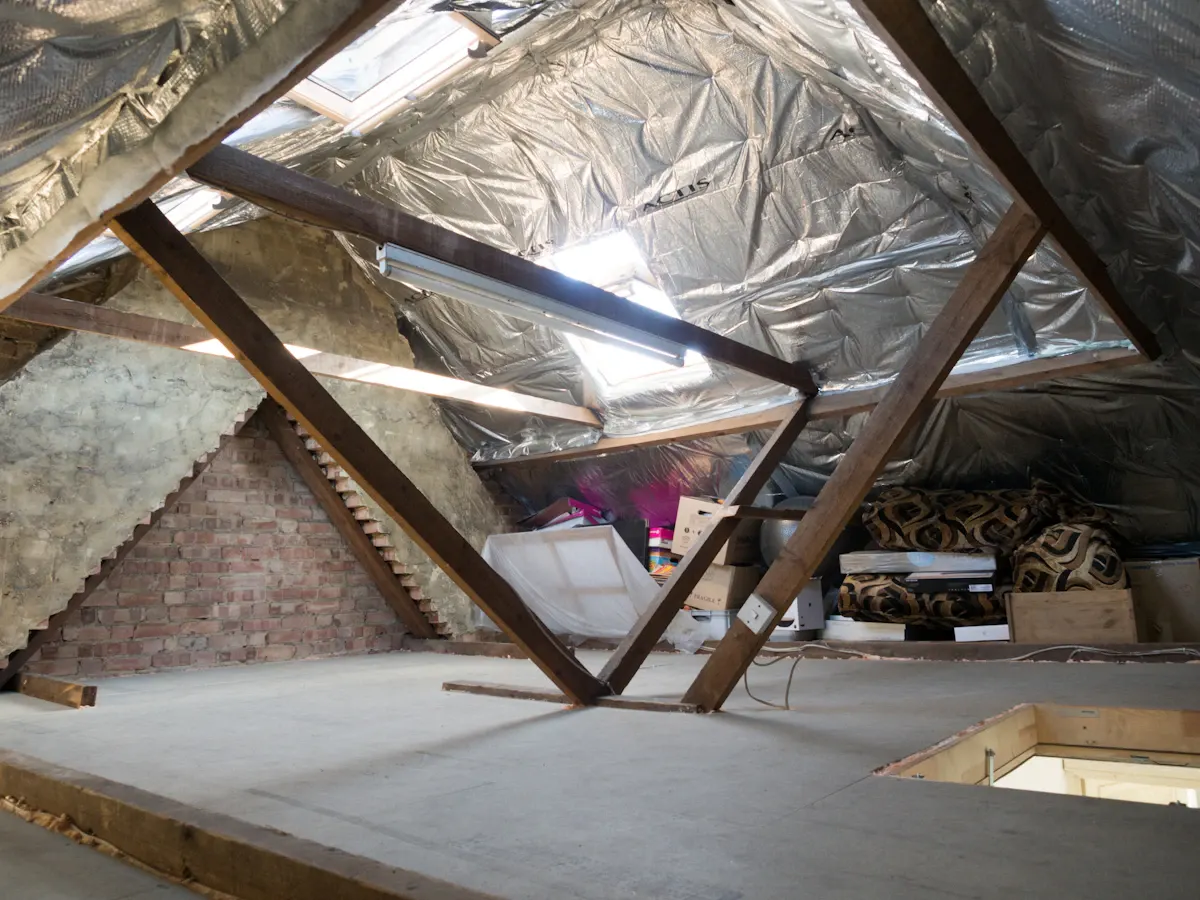
They are different kinds of proposals, so compare them on common terms: estimated annual savings, what problem each solves, how long each lasts, and what verification you get. An insulation bid should include sealing locations, R-value, and a blower door number before and after. A window bid should list U-factor and SHGC, installation method, flashing and trim.
Ask each contractor what their work will change on a blower door test and a utility bill, and how they know. Neither can promise a number, but both should be able to explain their reasoning. When you are ready to price both, describe the house and your priorities in the estimate request, and use the cost guide to check each line.
For most houses the answer is not either one forever but both in the right order. Year one covers a diagnostic assessment, attic air sealing, attic insulation to the climate target, rim joist sealing and a test-out. That work typically costs a fraction of a window project and changes how the house feels within days. It also produces a measured leakage number that shows how much of the draft problem remained after the top and bottom of the house were sealed.
Year two or three is the time to revisit the windows with better information. If rooms that were cold near the glass are now comfortable, the window budget can shrink to the few units that are physically failing. If specific rooms remain uncomfortable, the thermal images from the test-out usually show whether the glass, the frame perimeter or something else is responsible. Replacement then targets those openings rather than every window in the house.
Phasing also pays off early: the Department of Energy reports that its Weatherization Assistance Program saves households an average of $372/yr. It has a financial side as well. Spreading the work lets state and utility rebates with annual limits apply more than once, and it keeps each contract small enough to compare carefully. It also avoids the common pattern of spending the whole budget on windows and having nothing left for the attic, which reverses the order of return. If the windows are failing badly, the order can flip, but the attic still belongs in the same plan.
Homeowner polls
EPA estimates sealing and insulating saves about 15% of heating and cooling costs.
No votes yet. Yours will be the first. · saved on this device
No votes yet. Yours will be the first. · saved on this device
The EIA found 13.8% of homes drafty most or all of the time and 41.3% some of the time.
No votes yet. Yours will be the first. · saved on this device
Yes, and the order within the job still matters: seal and insulate the attic, then replace the failed windows, then test out. Doing both in one season lets the blower door test-out capture the combined result and gives a single baseline for later work.
Exterior or interior storm windows over sound single-pane units cost a fraction of replacement and recover much of the energy difference. They do nothing for rot or operation. For historic homes and tight budgets they are a reasonable middle step after the attic is done.
Hold the back of your hand or a stick of incense near the window frame on a cold, windy day, and again with bath and kitchen exhaust fans running. If the draft is strongest at the sash and frame joints, the window is leaking. If the air seems to fall off the glass rather than enter through gaps, it is convection from a cold surface. A blower door test with thermal imaging settles it.
Warmer glass surfaces reduce condensation, so double-pane low-e units usually help compared with single-pane. But heavy condensation also indicates high indoor humidity, often from poor bath and kitchen ventilation. Fixing ventilation matters regardless of the windows, and after air sealing, controlling moisture becomes even more important because a tighter house holds more of it.
Often yes. Replacing the few failing or single-pane units on the coldest or sunniest exposures captures much of the comfort gain for a fraction of the whole-home price. Do the attic in the same year and you get most of the benefit of both. Ask bidders to price the worst four to six openings separately so you can compare.
Very little. The trades are independent, and window replacement does not disturb attic insulation. The only overlap is interior trim and wall insulation around the openings, which the window installer handles. Doing the attic first also tells you whether the remaining discomfort justifies new windows at all.
In an attic-heavy house, sealing and insulating the attic floor reduces the heat that radiates down into upstairs rooms, which is often the main summer complaint. In a house with large west-facing single-pane windows, low-SHGC glass or shading has the larger effect. An assessor with a thermal camera on a hot afternoon can show which dominates.
It depends on the state. HEAR includes insulation and air sealing with an item cap of $1,600 in Trane's summary, and the whole-home HOMES program can include any measure that contributes to modeled savings. Window rebates are less common. The federal 25C window sub-limit of $600 ended for property placed in service after 2025.
 ComparisonBlown-in fiberglass or cellulose vs Spray foam
Blown-in fiberglass or cellulose over hand air sealing is the cost-effective choice for open, vented attic floors, averaging about $1,661 per project per HomeAdvisor.
 ComparisonVinyl frames vs Wood frames
Vinyl windows cost less, need no painting and recoup more at resale: Zonda's 2025 report puts vinyl at 68.5% of cost recovered against 61.2% for wood.
ComparisonSolar with battery storage vs Solar onlyA battery adds roughly $10,000 to $20,000 to a solar system and pays off through outage backup and better value under time-of-use rates or low export credits.
 ComparisonWalk-through assessment vs Diagnostic audit with blower door
A walk-through assessment costs about $150 to $200 and uses a visual inspection and checklist to flag obvious problems.
 Service guideHome Energy Audits
A home energy audit connects comfort complaints and utility bills to the measured condition of the house through a blower door test, thermal imaging, duct leakage testing and combustion-safety checks, then delivers written, prioritized recommendations.
 Service guideInsulation & Air Sealing
Air sealing closes the gaps that move air through the attic plane, rim joist and penetrations; insulation slows heat conduction through the assemblies around them.
 Service guideWindow & Door Replacement
Window and door replacement addresses openings with a defined problem: damage, failed seals, poor operation, drafts, single-pane glass in a cold climate, or a door that leaks and does not latch.
 Service guideSolar Panel Installation
Solar panel installation covers the roof and shading assessment, equipment selection, electrical and structural permits, utility interconnection and the production and financial assumptions in the proposal.
 Free toolEnergy audit cost calculator: size the assessment before the retrofit
Size, material tier and complexity in, a realistic budget range out.
 Free toolEnergy retrofit readiness quiz: do you know the sequence and the tests?
10 questions that show what you already know and what to check next.
 Free toolEnergy retrofit polls: how other homeowners weighed the same decisions
See what other planners chose and add your vote.
Tell us the size, the condition of what is there now, and what you want to change. Home Energy Scope passes your request to independent local professionals, who reply with written, no-obligation estimates. The service is free to use.