Which would you do first?
EPA estimates sealing and insulating saves about 15% of heating and cooling costs.
No votes yet. Yours will be the first. · saved on this device
Loading...
Home Energy Scope · Services
Energy retrofit work falls into four scopes: a home energy audit to find the causes of discomfort and high bills, insulation and air sealing to fix the envelope, window and door replacement where openings are the problem, and solar once the load is reduced. This page explains who each suits, what it costs, and when to skip it.
Every contractor sells what they install. An insulation company proposes insulation, a window dealer proposes windows, a solar company proposes panels. All may be right for a given house, but only one of them can be the next thing to do. NAIMA's Insulation Institute cites an ICF analysis finding 89% of U.S. homes under-insulated, which is why the sequence usually starts at the attic rather than the roof.
Use the guide below to match a scope to a problem, then read the service page for numbers. The calculator sizes an assessment, and the comparison pages weigh the choices inside each scope: insulation versus windows, cellulose versus spray foam, vinyl versus wood frames, solar with or without a battery.
 Service guideHome Energy Audits
A home energy audit connects comfort complaints and utility bills to the measured condition of the house through a blower door test, thermal imaging, duct leakage testing and combustion-safety checks, then delivers written, prioritized recommendations.
 Service guideInsulation & Air Sealing
Air sealing closes the gaps that move air through the attic plane, rim joist and penetrations; insulation slows heat conduction through the assemblies around them.
 Service guideWindow & Door Replacement
Window and door replacement addresses openings with a defined problem: damage, failed seals, poor operation, drafts, single-pane glass in a cold climate, or a door that leaks and does not latch.
 Service guideSolar Panel Installation
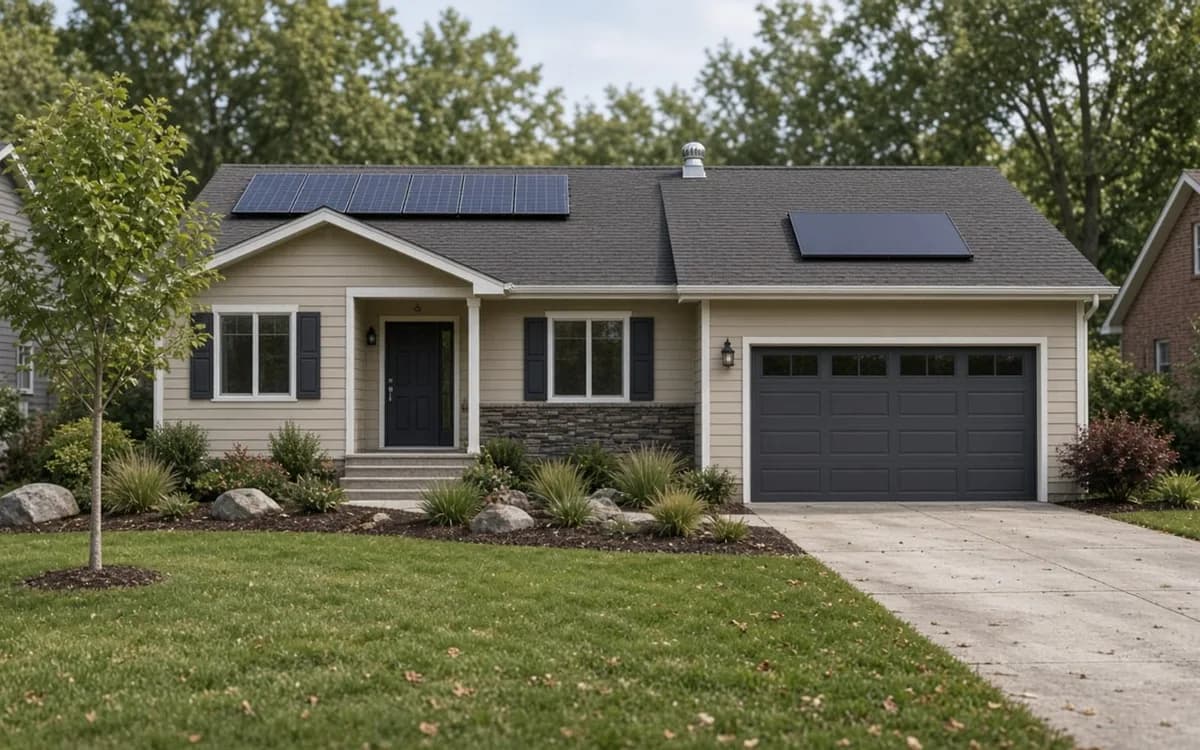
Solar panel installation covers the roof and shading assessment, equipment selection, electrical and structural permits, utility interconnection and the production and financial assumptions in the proposal.
| Service | Best for | Skip it if |
|---|---|---|
| Home Energy Audits | Any home with comfort complaints or high bills where the cause is not yet known, and any home about to be tightened that has gas appliances. | A utility program already bundles a diagnostic assessment with the insulation work, and you will receive the blower door and combustion-safety results in writing. |
| Insulation & Air Sealing | Homes where an assessment shows air leakage at the attic plane, rim joist or crawlspace, or insulation below recommended levels; most homes built before 2000. | The attic is already at recommended depth with a sealed air barrier and the audit points to ducts, equipment or glass instead. |
| Window & Door Replacement | Openings with damage, failed seals, poor operation, single-pane glass in a cold climate, or a door that leaks and does not latch. | Windows are double-pane, dry and operable, and the audit shows leakage elsewhere; storm windows or weatherstripping may do. |
| Solar Panel Installation | A home with a roof under ten years old, good southern or western exposure, minimal shading, and an envelope that has already been tightened. | The roof needs replacement soon, shading is heavy, utility net-metering terms are poor, or the envelope work has not been done. |
By the numbers
89%
of U.S. homes lack adequate insulation, per an ICF analysis cited by NAIMA
The Insulation Institute cites an ICF report finding 89% of homes under-insulated and notes residential electricity prices rose nearly 40% since 2004, raising the payoff of fixing it.
NAIMA Insulation Institute, Value & Savings (2024)15%
average heating and cooling savings from air sealing plus attic, floor and basement insulation
EPA estimates 15% on heating and cooling costs, or 11% of total energy costs, from sealing leaks and insulating attics, crawlspace floors and basements. It is the benchmark for envelope retrofits.
ENERGY STAR, Why Seal and Insulate (2025)68.5%
resale recovery for vinyl window replacement ($20,091 cost, $13,766 value)
Zonda's 2025 Cost vs. Value report for a 10-window vinyl project: about 69 cents of added home value for every dollar spent, before any energy savings.
Zonda 2025 Cost vs. Value Report via GetWindowCost (2025)41.3%
of occupied U.S. primary residences are drafty some of the time (2024)
The EIA's 2024 survey counts 54.8 million housing units. Combined with the 13.8% drafty most or all of the time, more than half of homes report some draftiness.
EIA 2024 RECS preliminary household microdata (May 2026) (2024)The audit, because it tells you which of the other three is the problem. A house that leaks air through the attic and rim joist wants sealing and insulation, and our analysis of EIA 2024 data found 41.3% of homes drafty at least some of the time. A house whose glass sweats and rattles wants windows. A house that is already tight with a high electric bill wants solar or a heat pump. The audit's blower door number and thermal images sort those cases.
Skipping the audit is reasonable in one case: a utility program that bundles a free assessment with the insulation work, so the diagnosis comes with the contractor. Even then, ask for the blower door reading before and after and the combustion-safety result in writing.
The ranges below are national planning figures from published guides, with their years. Insulation and air sealing has the fastest payback because the cost is low and EPA's 15% saving on heating and cooling applies to a large share of the bill. Windows cost the most per unit of savings but carry comfort and resale value; Zonda's 2025 report puts vinyl window replacement at 68.5% resale recovery. Solar has the largest absolute savings and the longest payback now that the federal credit has ended.
| Service | Typical 2025–2026 cost | Savings evidence | Typical payback |
|---|---|---|---|
| Home energy audit | $212–$698 (avg $437, Angi) | $685/yr acting on findings (Pearl citing Angi) | Under a year |
| Insulation & air sealing | $1,661 blown-in to $2,888 spray foam (HomeAdvisor) | 15% of heating and cooling (EPA) | 3–10 years |
| Window & door replacement | $7,347 whole-home windows; $2,435 steel door (HomeAdvisor, Zonda) | $25–$50/month reported (This Old House survey) | 10+ years on energy; doors recoup 216% at resale |
| Solar panel installation | $2.60/W, ~$31,135 for 12 kW (EnergySage) | $41,000–$155,000 over 25 years | About 10 years |
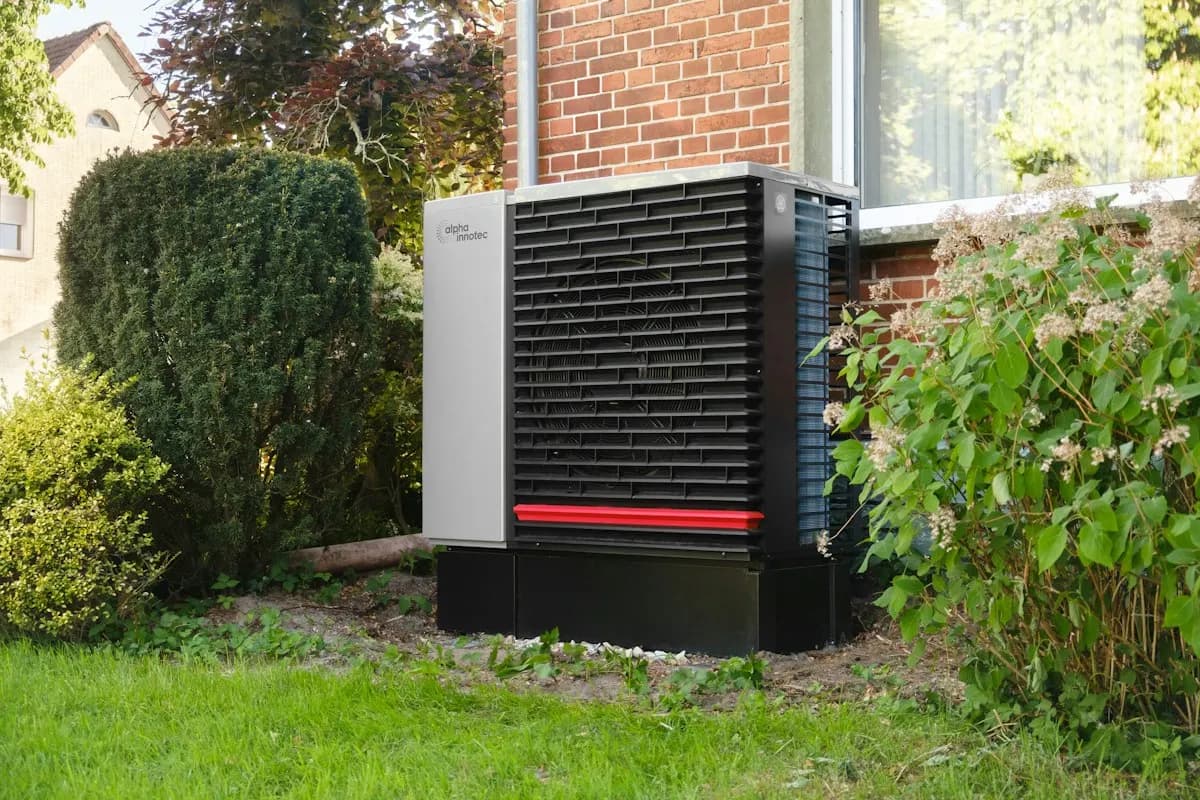
Skip window replacement if the glass is double-pane, operable and dry and the leakage is elsewhere; storm windows cost a tenth as much. Skip spray foam in an attic that only needs a top-up of loose fill; by our analysis of EIA 2024 survey data, 85.6% of attics are unfinished, which is where loose fill is cheapest to blow. Skip solar if the roof has under ten years of life, faces north or sits in heavy shade, and until the envelope is done. Skip a heat pump if the existing equipment is efficient and young, and put the money into the envelope.
Skip any incentive-driven decision until eligibility is confirmed in writing. The federal 25C and 25D credits ended for property placed in service after December 31, 2025, and state HEAR and HOMES rebates depend on income tier and launch status. A contractor who counts an unconfirmed rebate in the price is selling a number that may not exist. The polls show how other homeowners are sequencing their work.
Four questions apply to all four scopes. What measured or observed problem does this recommendation address? How are moisture, ventilation and combustion safety handled? What assumptions support any savings estimate? Which incentives are confirmed for this home, product and installation date? A pro who answers all four in the proposal is diagnosing rather than selling. Bidding related scopes together helps as well: HomeAdvisor puts the average professional energy audit at $437 and average attic insulation at $2,100, so pricing them as one scope keeps the sequence intact. An audit, air sealing and attic insulation bundle naturally. The contact page turns the four questions into a request template.
Homeowner polls
EPA estimates sealing and insulating saves about 15% of heating and cooling costs.
No votes yet. Yours will be the first. · saved on this device
The EIA found 13.8% of homes drafty most or all of the time and 41.3% some of the time.
No votes yet. Yours will be the first. · saved on this device
Many home performance contractors do both, and the advantage is a single company accountable for the diagnosis, the work and the test-out. The risk is a diagnosis that always finds insulation. Ask for the blower door number before and after, the combustion-safety result, and a written explanation of any finding they do not address. An independent auditor first, then bids, is the cleaner approach when the budget allows.
Windows and doors often require a permit when the opening size changes or egress is affected; solar almost always requires electrical and structural permits plus utility interconnection approval; insulation and air sealing usually do not, though some jurisdictions require a permit for spray foam or for ventilation changes. Ask each bidder which permits apply, who pulls them and whether the cost is included.
By the problem each one solves, not by price. Ask each bidder what measured condition their proposal addresses, what saving they expect and on what assumptions, and what depends on other work being done first. A $2,000 attic job that cuts leakage 30% and a $9,000 window job that cuts it 5% are answering different questions. Normalize on the audit findings and compare against those.
Availability differs. Utility rebates for audits, insulation, air sealing and heat pumps are common nationwide. State HEAR rebates cover insulation and air sealing up to $1,600 and heat pumps up to $8,000 where launched, with income limits. Windows and solar have fewer rebate programs now that the federal credits have ended, though some states and utilities offer them. Check the DSIRE database and your utility before assuming anything.
Then the money goes elsewhere: duct sealing, equipment, ventilation or glass. A tight house with high bills usually points to inefficient equipment, leaky ducts outside the conditioned space, or a large plug load. The audit report should say which, and it may also recommend mechanical ventilation, since a tight house needs controlled fresh air. That is a good outcome, not a wasted audit.
Audit in year one and do air sealing and attic insulation immediately, since they are cheap and improve everything after. Replace failed windows and doors as needed. Plan equipment replacement for when the existing system ages out, sized to the tightened house. Consider solar last, once the load is settled and the roof is in good shape. Keep the audit report; it is the plan for the whole sequence.
Heat pumps are covered in the guidance because they interact with every scope: a tighter envelope allows a smaller unit, and ACEEE's analysis shows strong paybacks where they replace electric resistance heat. Installation is an HVAC scope, so request it separately. HomeAdvisor's 2026 average is $6,088, and HEAR rebates offer up to $8,000 in launched states for eligible households.
 Free toolEnergy audit cost calculator: size the assessment before the retrofit
Size, material tier and complexity in, a realistic budget range out.
 Free toolEnergy retrofit comparisons: the five decisions inside a retrofit
Side-by-side tables for the decisions that change the price most.
 Free toolEnergy retrofit readiness quiz: do you know the sequence and the tests?
10 questions that show what you already know and what to check next.
 Free toolEnergy retrofit polls: how other homeowners weighed the same decisions
See what other planners chose and add your vote.
Tell us the size, the condition of what is there now, and what you want to change. Home Energy Scope passes your request to independent local professionals, who reply with written, no-obligation estimates. The service is free to use.