Which would you do first?
EPA estimates sealing and insulating saves about 15% of heating and cooling costs.
No votes yet. Yours will be the first. · saved on this device
Loading...
About Home Energy Scope
Home Energy Scope is an editorial planning resource for home energy retrofits. It publishes cost ranges, savings figures and condition data from named public sources, explains the sequence that gets the most from a retrofit budget, and connects homeowners who want estimates with independent local professionals. It does not install anything, does not employ crews, and does not rank the pros it matches.
Energy advice online usually comes from someone selling a product: insulation, windows, panels or a heat pump. Each has a point of view, and each can be right for a given house. This site takes the position of an assessor: find the measured problem, fix it in the order that compounds, and treat every savings claim as an assumption to be stated. Every figure links to its source, and the source is named in the sentence.
The matching side is simple. A request through the contact page reaches independent auditors, insulation contractors, window installers or solar companies who serve your area. They respond with a free written estimate, and you decide. Nothing here is a booking, and no professional is endorsed.
Three kinds of sources. Federal data, chiefly our own weighted analysis of the EIA's 2024 Residential Energy Consumption Survey microdata, which is how this site can say 62.4% of occupied primary residences have mostly original windows, or that frequent draftiness in owner-occupied homes shows a 6.5 pts gap between those built before 1990 and newer ones. Program and agency figures from EPA, ENERGY STAR, DOE, the IRS and RESNET, which set savings estimates and incentive rules. And published cost guides from Angi, HomeAdvisor, Fixr, EnergySage and Zonda, which set the price ranges and resale figures.
Each has limits, stated where the numbers are used. The EIA reports self-described conditions, so the 17.6% of homes described as 'poorly insulated' reflects the household's judgment, not a measurement. A cost guide is a national reference, not a local quote. Survey samples describe respondents. Regional figures stay regional; the locations page does not extrapolate census regions to a state or city.
Because it is where the money is lost. ENERGY STAR's estimate that 9 in 10 homes are under-insulated, paired with EPA's 15% saving from sealing and insulating, means the cheapest measure is usually the best first one. Windows and solar have their place, but a home that does them first buys more glass and more panels than it would have needed. The services hub lays out the order and the exceptions.
It is also why every service page asks the same four questions: what measured problem does the recommendation address, how are moisture, ventilation and combustion safety handled, what assumptions support the savings estimate, and which incentives are confirmed for this home and date. An estimate that answers them is diagnosing rather than selling. That framing suits the housing stock: an ICF analysis cited by the NAIMA Insulation Institute found 89% of U.S. homes lack adequate insulation.
In the past tense where they have ended. The federal 25C and 25D credits ended for property placed in service after December 31, 2025, according to IRS guidance, and this site says so rather than leaving stale figures in place. Where state HEAR and HOMES rebates exist, the site cites DOE's program page and the item caps, and repeats the condition that eligibility depends on income tier, state launch and confirmation for the address. Utility rebates are mentioned generically because they vary by provider.
The calculator is anchored to Angi's 2026 assessment benchmark of $437 and scales by home size and diagnostic scope. It prices the assessment only, because that is the one step every retrofit shares; the work itself is quoted per house by the pros you hear from.
It does not perform audits or install anything, and it does not employ the professionals it matches. It does not publish star ratings, testimonials or rankings; the reviews page explains how to read reviews elsewhere and how to verify credentials. It does not sell products or earn commissions on equipment. And it does not promise savings, because savings depend on the house, the weather, the occupants and the quality of the work.
 Service guideHome Energy Audits
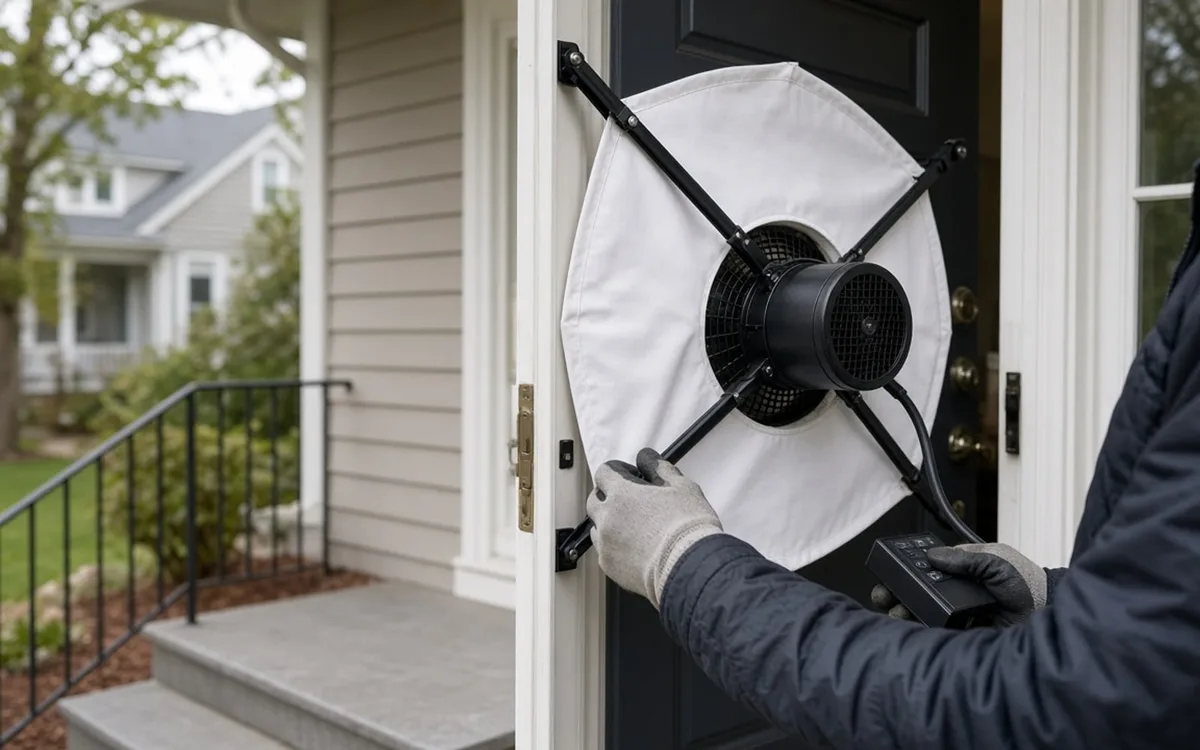
A home energy audit connects comfort complaints and utility bills to the measured condition of the house through a blower door test, thermal imaging, duct leakage testing and combustion-safety checks, then delivers written, prioritized recommendations.
 Service guideInsulation & Air Sealing
Air sealing closes the gaps that move air through the attic plane, rim joist and penetrations; insulation slows heat conduction through the assemblies around them.
 Service guideWindow & Door Replacement
Window and door replacement addresses openings with a defined problem: damage, failed seals, poor operation, drafts, single-pane glass in a cold climate, or a door that leaks and does not latch.
 Service guideSolar Panel Installation
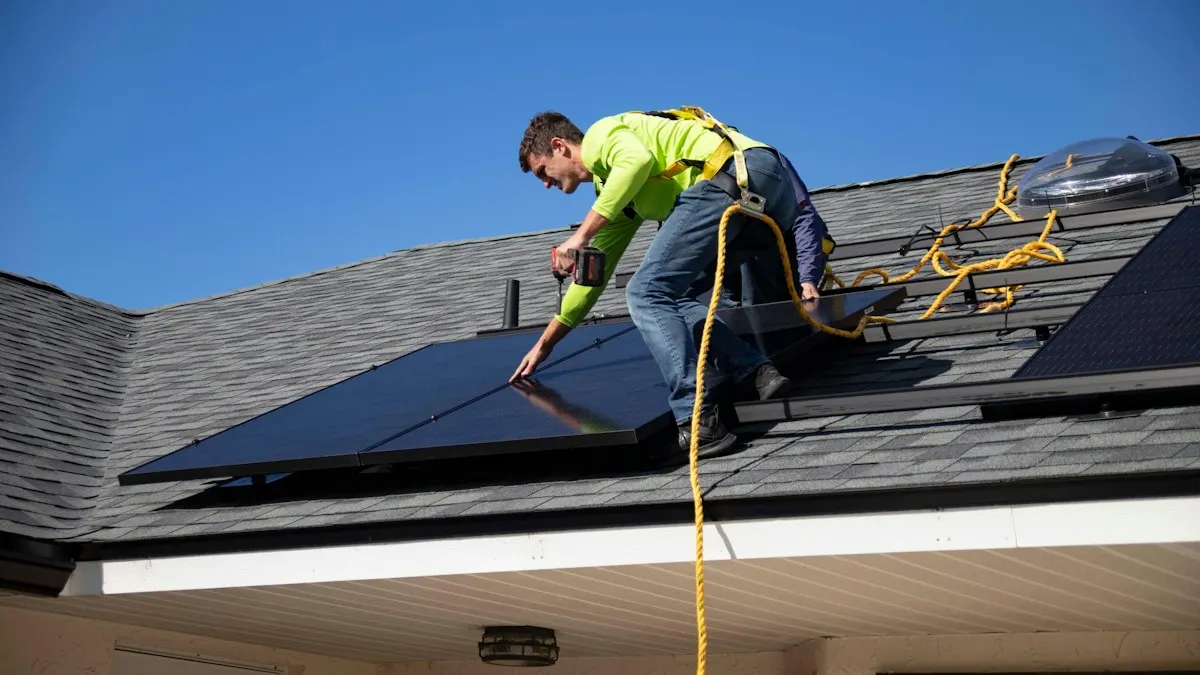
Solar panel installation covers the roof and shading assessment, equipment selection, electrical and structural permits, utility interconnection and the production and financial assumptions in the proposal.
Homeowner polls
EPA estimates sealing and insulating saves about 15% of heating and cooling costs.
No votes yet. Yours will be the first. · saved on this device
Matching is by service area and scope, and professionals agree to respond with a written estimate at no charge. Licensing, insurance, certifications such as BPI or RESNET, and references are yours to confirm with each professional before hiring; the reviews page lists what to check. Treat a match as an introduction and compare at least two written proposals.
No. A request asks matched professionals to respond about your project. Site visits may carry an assessment fee that the pro states upfront, and paid audits are a normal part of this niche. You are free to decline every response. Nothing on this site creates a contract.
Each carries a year and a link. Angi's assessment benchmark was updated April 2026, HomeAdvisor's cost guides June 2026, EnergySage's solar data June 2026, Zonda's Cost vs. Value September 2025, and the IRS credit pages reflect the December 31, 2025 end date. Incentives change more often than costs, so confirm any rebate with the program before counting it.
Because it is the only national source with a stated denominator and standard errors for conditions like draftiness and insulation quality, and its results agree with EPA's and Pearl's findings from different methods. The site states that the figures are household descriptions rather than measurements wherever they appear, and uses them to show how common a problem is, not to diagnose your house.
The figures belong to their publishers and each is linked. Cite the original source with its year and denominator, and keep installed-stock figures separate from purchase rates and national ranges separate from local prices. That is the discipline this site applies to itself.
Use the contact form and name the page, the figure and the source you believe is correct. Corrections with a link are checked and applied quickly. Incentive pages are re-checked when the IRS, DOE or a state program publishes changes.
Editorial staff working from the cited sources, writing to the standard of an assessor: measured conditions, sequence, trade-offs and the questions worth asking. No page is written or paid for by a contractor or product maker. When a page discusses a material such as spray foam or a technology such as heat pumps, it names the limits along with the benefits.
 LocationsRegional planning notes
How climate, codes and prices change a project across U.S. regions.
 ArticlesPlanning articles
Cost guides, checklists and mistakes to avoid before you sign.
 ReviewsHow to read reviews
What genuine contractor reviews look like and what they leave out.
Tell us the size, the condition of what is there now, and what you want to change. Home Energy Scope passes your request to independent local professionals, who reply with written, no-obligation estimates. The service is free to use.