What is the main problem you want solved?
The EIA found 13.8% of homes drafty most or all of the time and 41.3% some of the time.
No votes yet. Yours will be the first. · saved on this device
Loading...
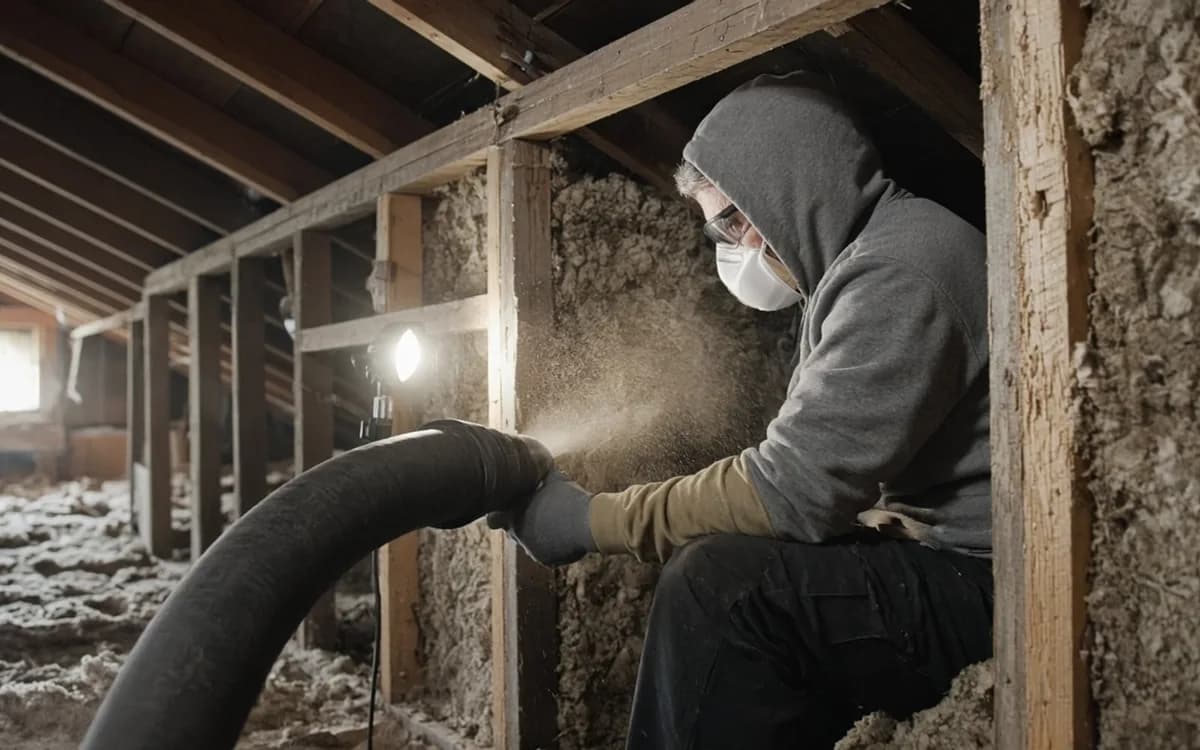
Find the cause of an uncomfortable or expensive-to-run home.
Home Energy Scope is a planning resource for U.S. homeowners with drafty rooms, high utility bills or uneven temperatures. It explains what a professional energy assessment finds, what air sealing, insulation, window replacement and solar actually cost and return, and how incentives changed after the federal credits ended in 2025. It then matches you with independent local professionals for a free written estimate.
By the numbers
Every figure links to its published source.
9 in 10
U.S. homes are under-insulated, per ENERGY STAR
EPA's seal-and-insulate guidance says most existing homes fall short of recommended insulation levels, which is why attic top-ups are the most common first retrofit.
ENERGY STAR, Why Seal and Insulate (2025)15%
average heating and cooling savings from air sealing plus attic, floor and basement insulation
EPA estimates 15% on heating and cooling costs, or 11% of total energy costs, from sealing leaks and insulating attics, crawlspace floors and basements. It is the benchmark for envelope retrofits.
ENERGY STAR, Why Seal and Insulate (2025)$437
average home energy assessment cost, typical range $212–$698 (Angi, 2026)
Angi's cost guide, updated April 2026, prices the assessment only. It does not include insulation, windows, solar or a whole-house retrofit; ask which diagnostic tests are included.
Angi, How Much Does an Energy Audit Cost (2026)$685/yr
savings from acting on energy audit recommendations, per Pearl citing Angi
Pearl's 2026 audit statistics put the payback on a $437 audit at roughly seven months, and report a professional audit finds about 35 problems versus 12 for a DIY check.
Pearl Certification, Home Energy Audit Cost 2026 Statistics (2026)The most expensive energy upgrade is the one that addresses the wrong problem. New windows in a house that leaks air through the attic hatch, or solar panels on a home whose furnace ducts dump a third of their heat into a crawlspace, produce a bill that barely moves. ENERGY STAR estimates that 9 in 10 U.S. homes are under-insulated, and Pearl's registry analysis puts air leakage problems in ~90% of homes, which is why the envelope usually comes before equipment or glass.
This site covers four scopes in the order most homes should consider them: a home energy audit to find the causes, insulation and air sealing to fix the envelope, window and door replacement where openings are the problem, and solar once the load is as small as it will get. Each page carries 2025–2026 cost ranges, savings figures with their sources, and the questions that separate a good proposal from a sales pitch.
Home Energy Scope ran these numbers on the federal government's own household data. You won't find them in a contractor's brochure.
Home Energy Scope analysis · 2024
95% interval 11.3%–13.3% · about 6.6 million homes · 7,124 survey households
95% interval 5.0%–6.6% · about 2.1 million homes · 4,841 survey households
Difference: 6.5 percentage points (95% interval 5.4 to 7.6).
Homes built before 1990 report frequent drafts about twice as often as newer ones. Air sealing is usually the cheapest first fix in an older house, before windows or new equipment.
Source: Home Energy Scope analysis of 2024 federal household survey data from the U.S. Energy Information Administration. How we calculated it
Each guide covers what it costs, what fails first, and how to compare written proposals.
 Service guideHome Energy Audits
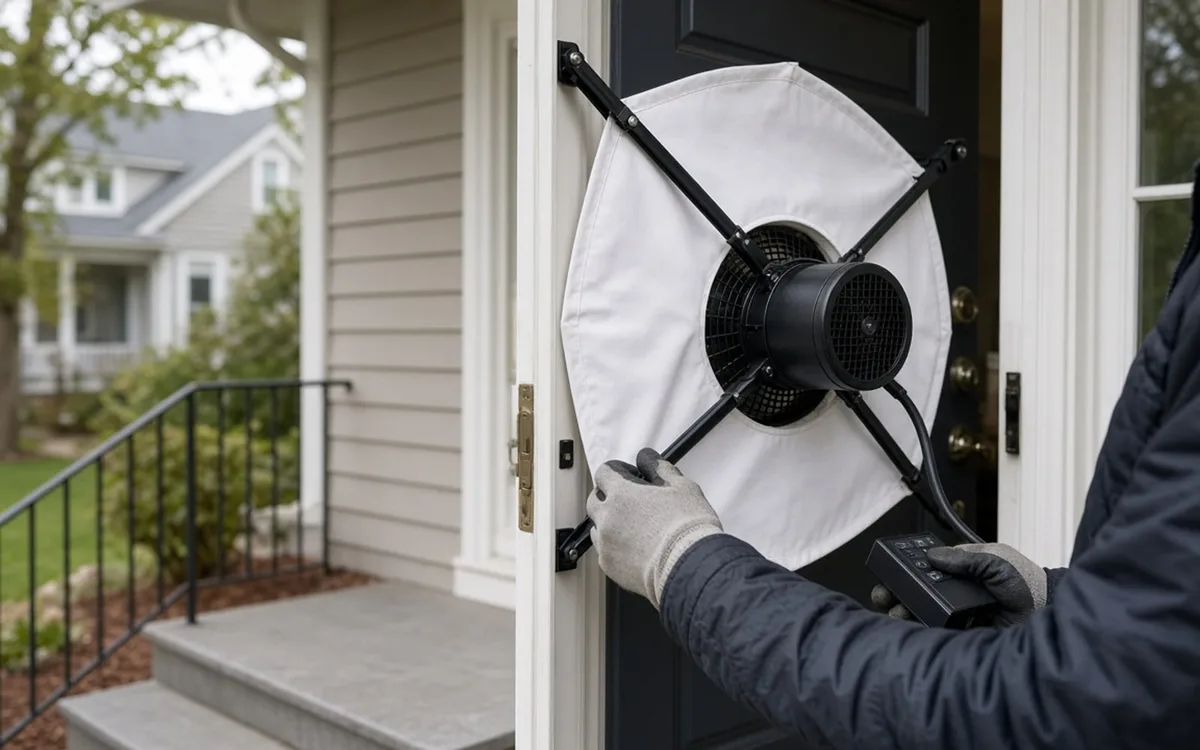
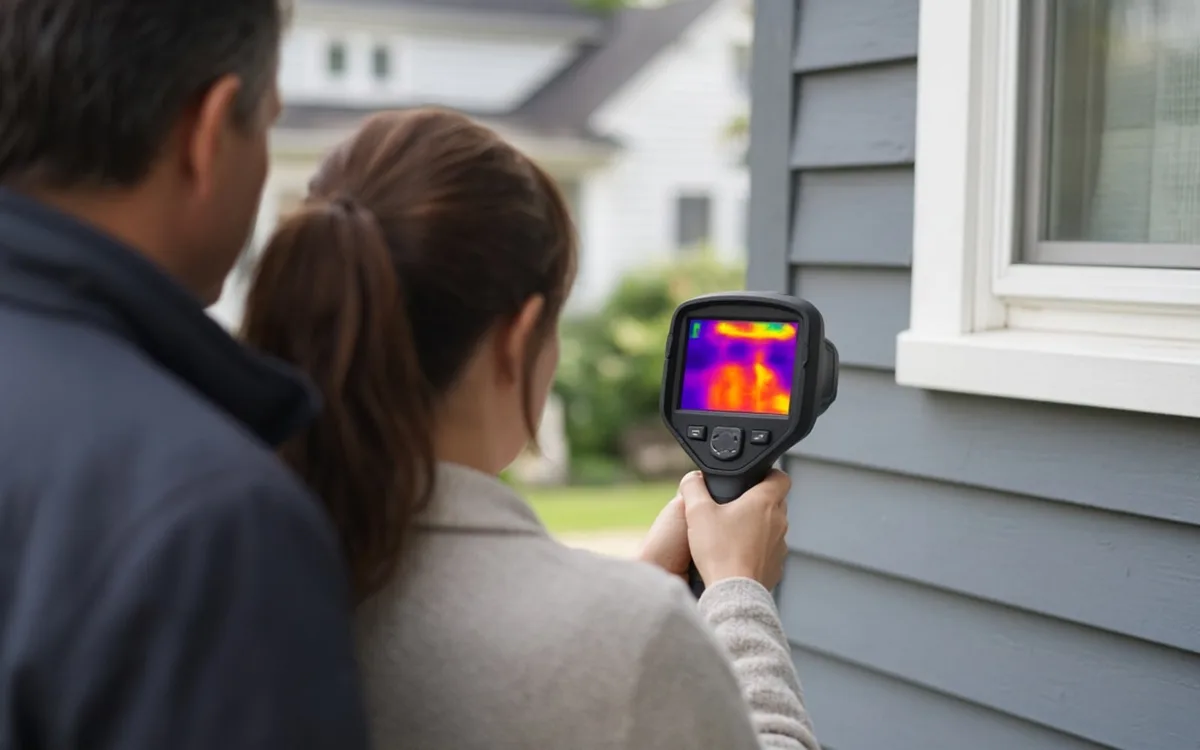
A home energy audit connects comfort complaints and utility bills to the measured condition of the house through a blower door test, thermal imaging, duct leakage testing and combustion-safety checks, then delivers written, prioritized recommendations.
 Service guideInsulation & Air Sealing
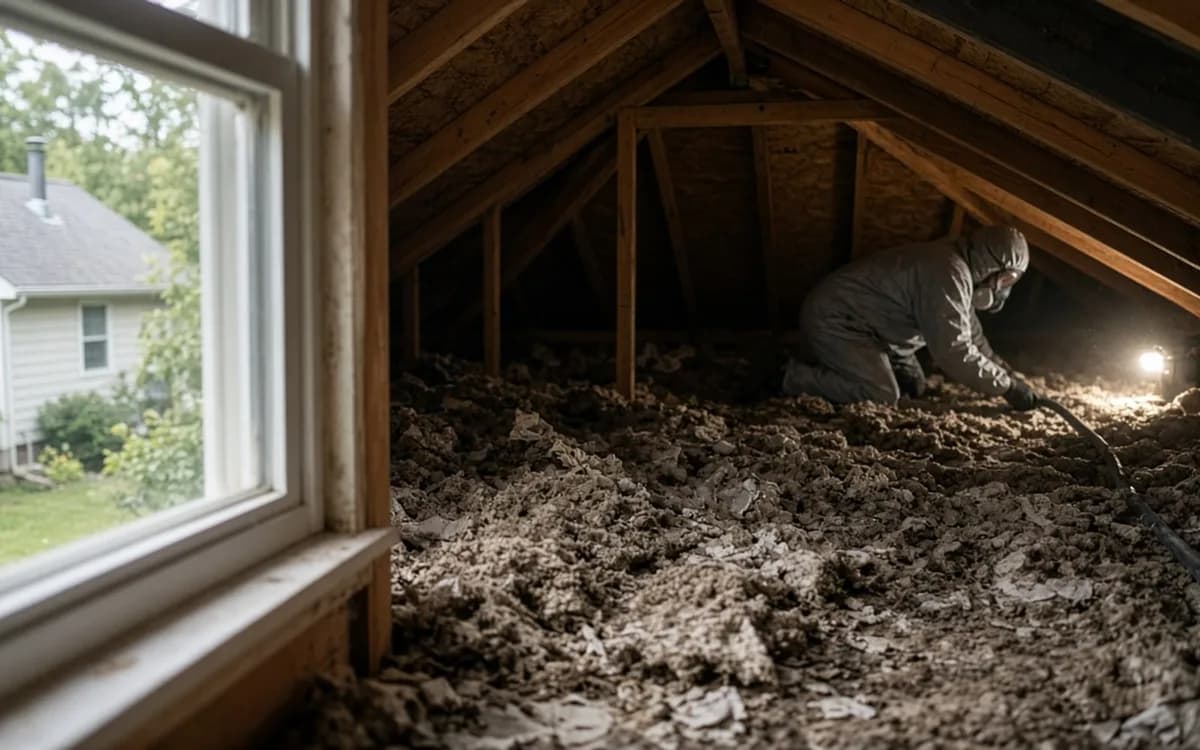
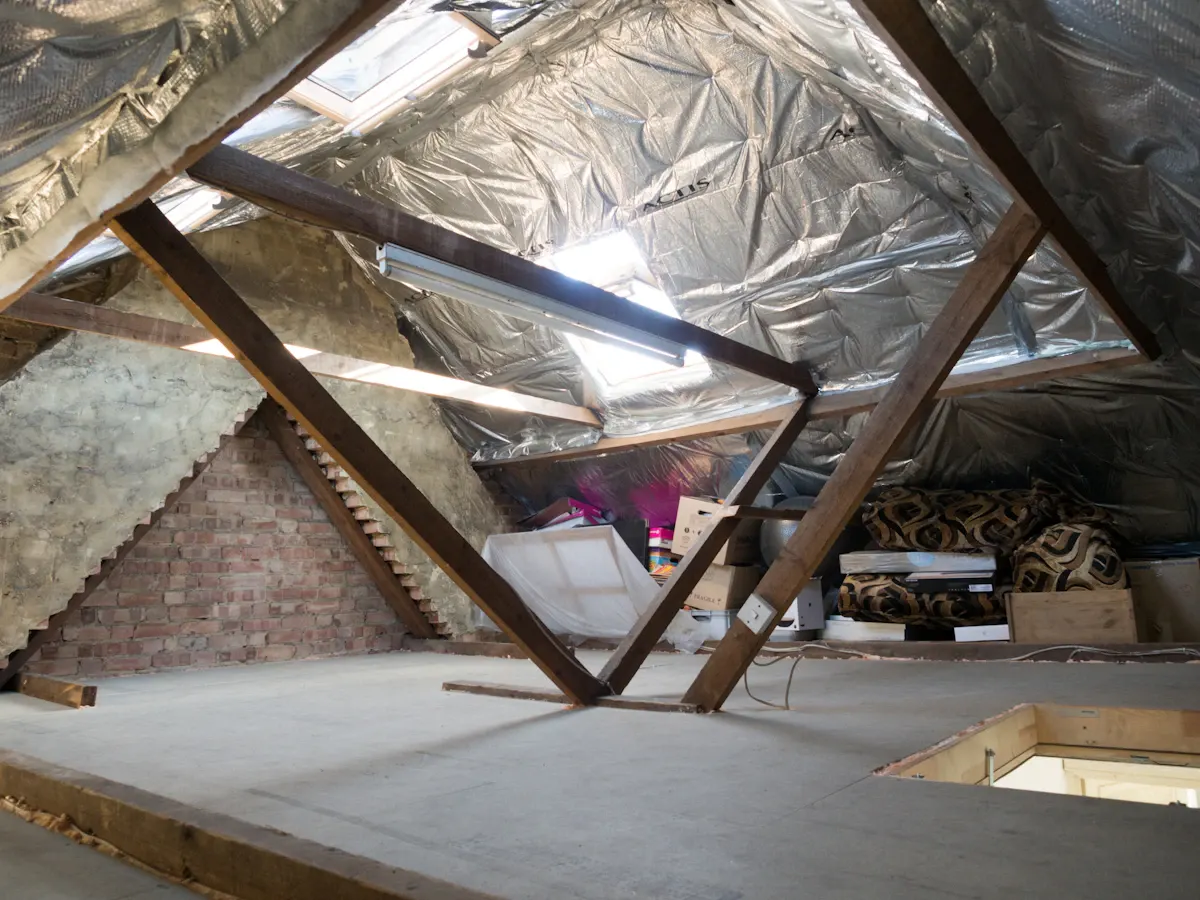
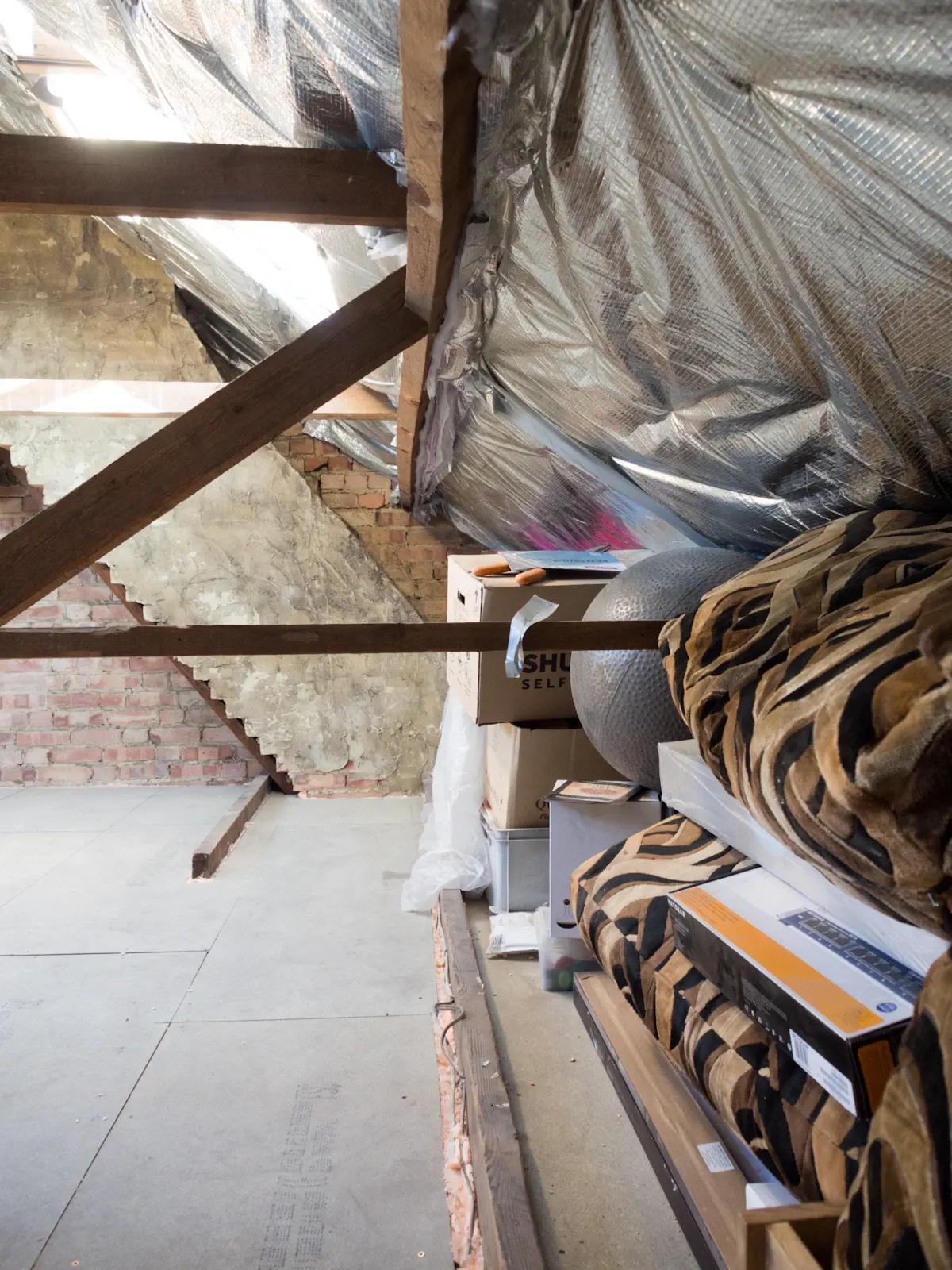
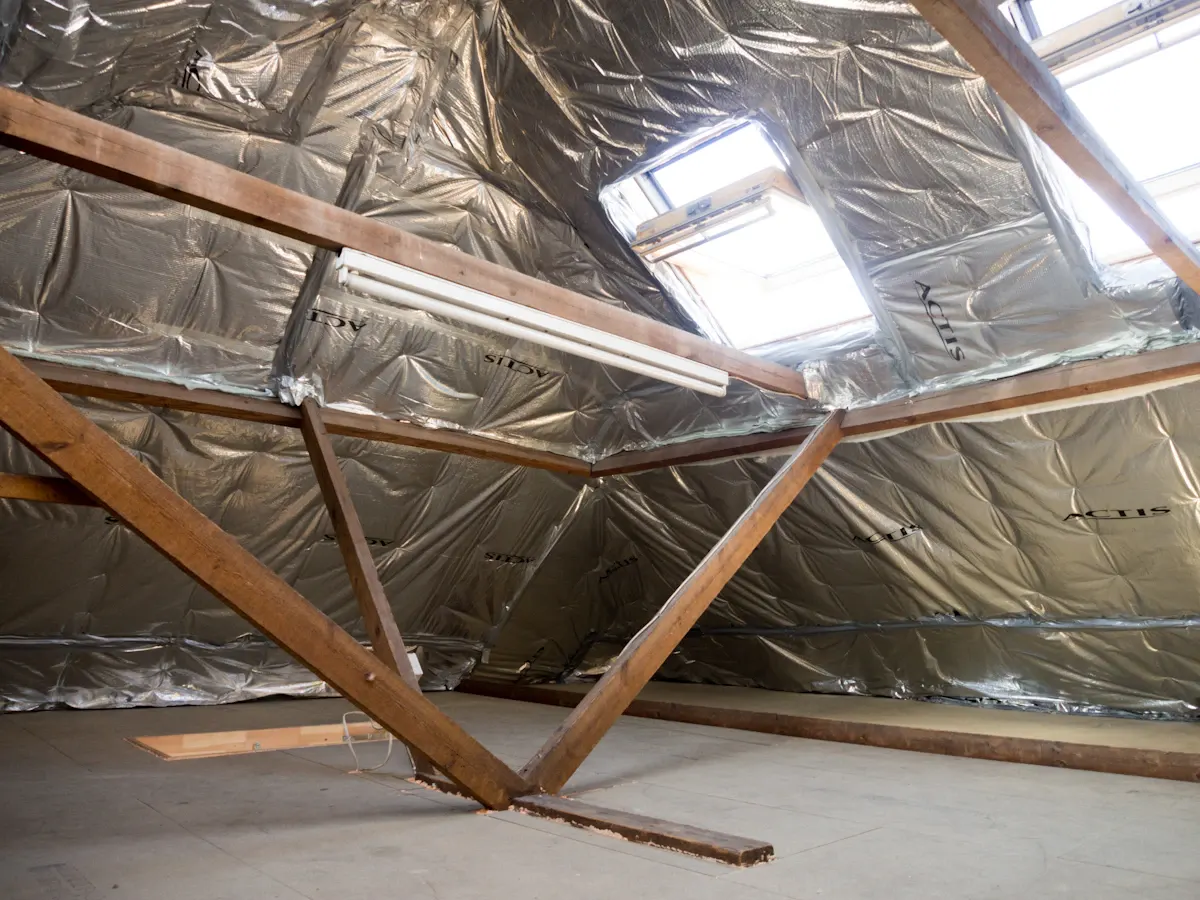
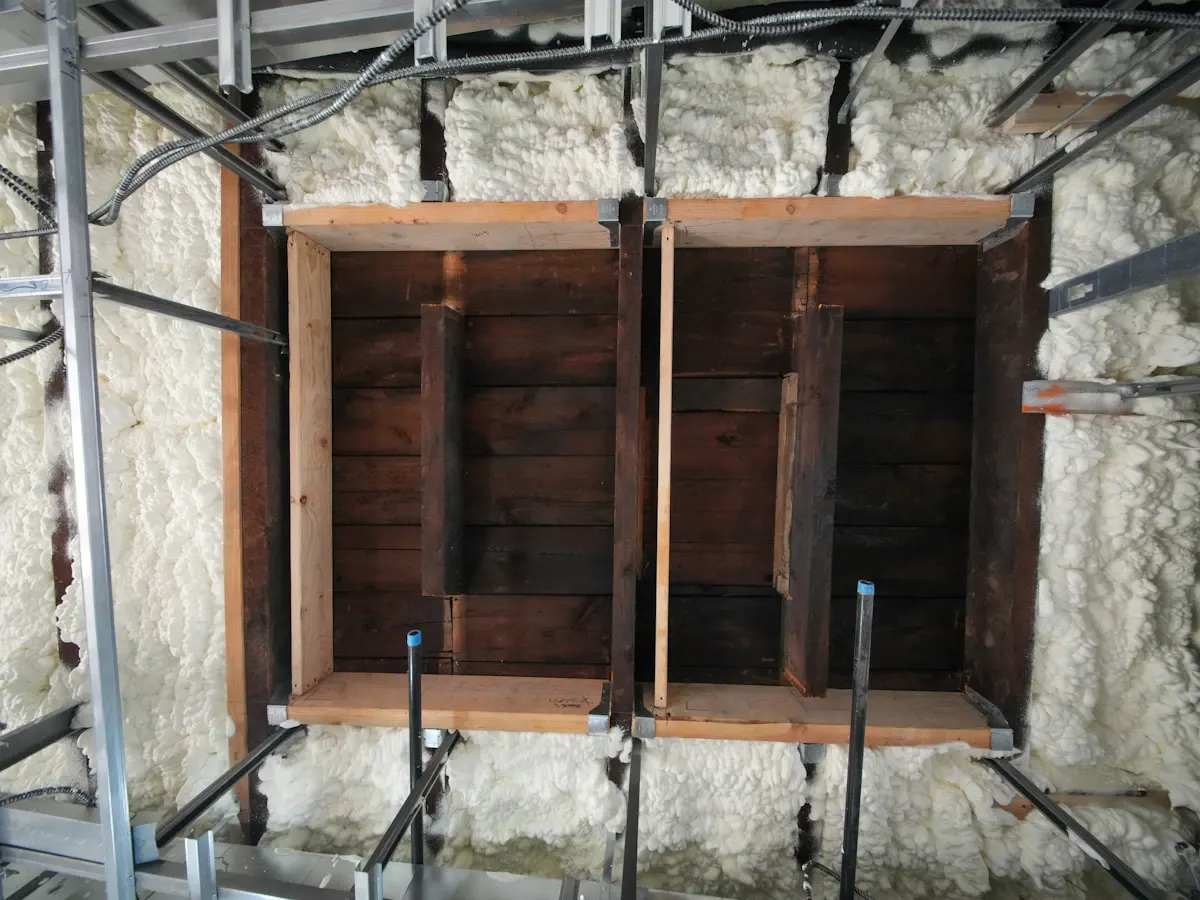
Air sealing closes the gaps that move air through the attic plane, rim joist and penetrations; insulation slows heat conduction through the assemblies around them.
 Service guideWindow & Door Replacement
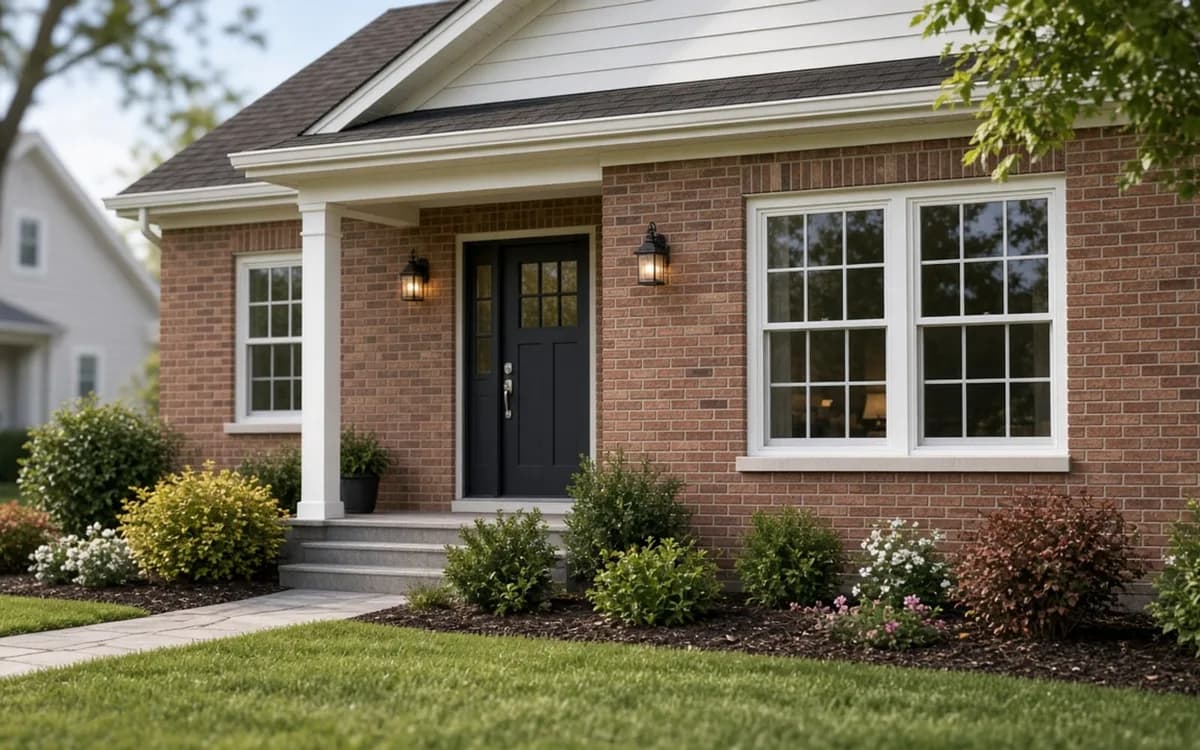
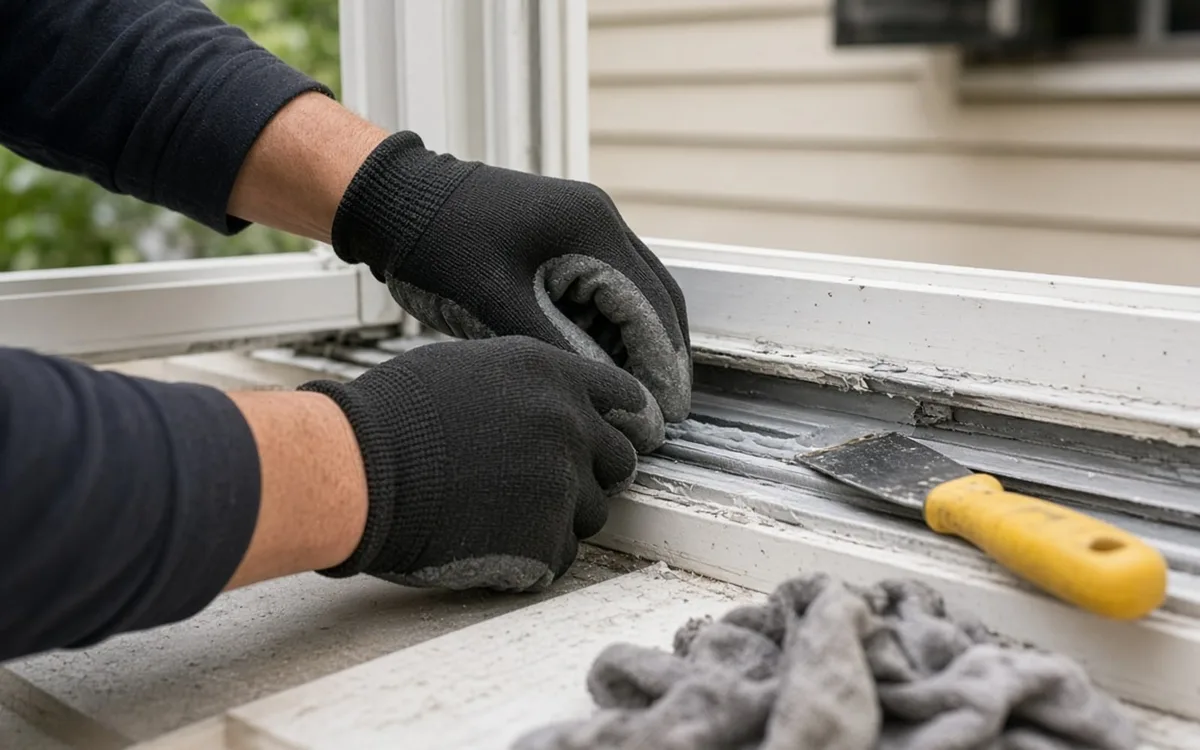
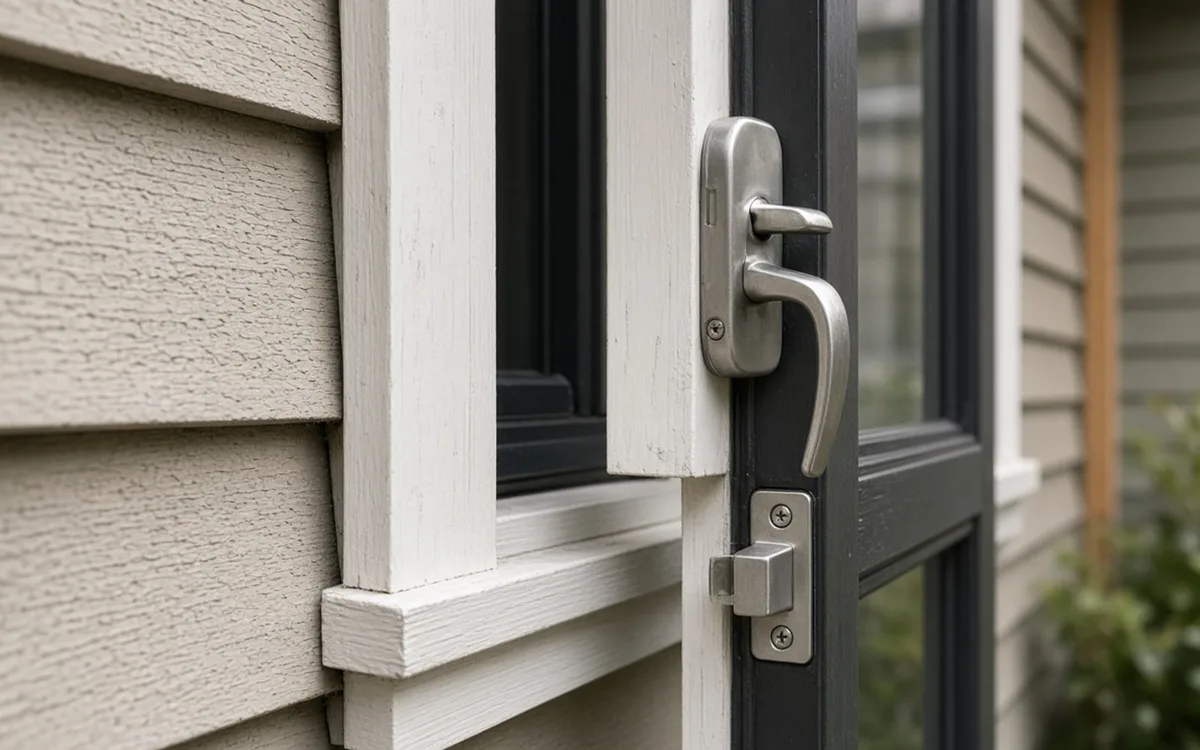
Window and door replacement addresses openings with a defined problem: damage, failed seals, poor operation, drafts, single-pane glass in a cold climate, or a door that leaks and does not latch.
 Service guideSolar Panel Installation
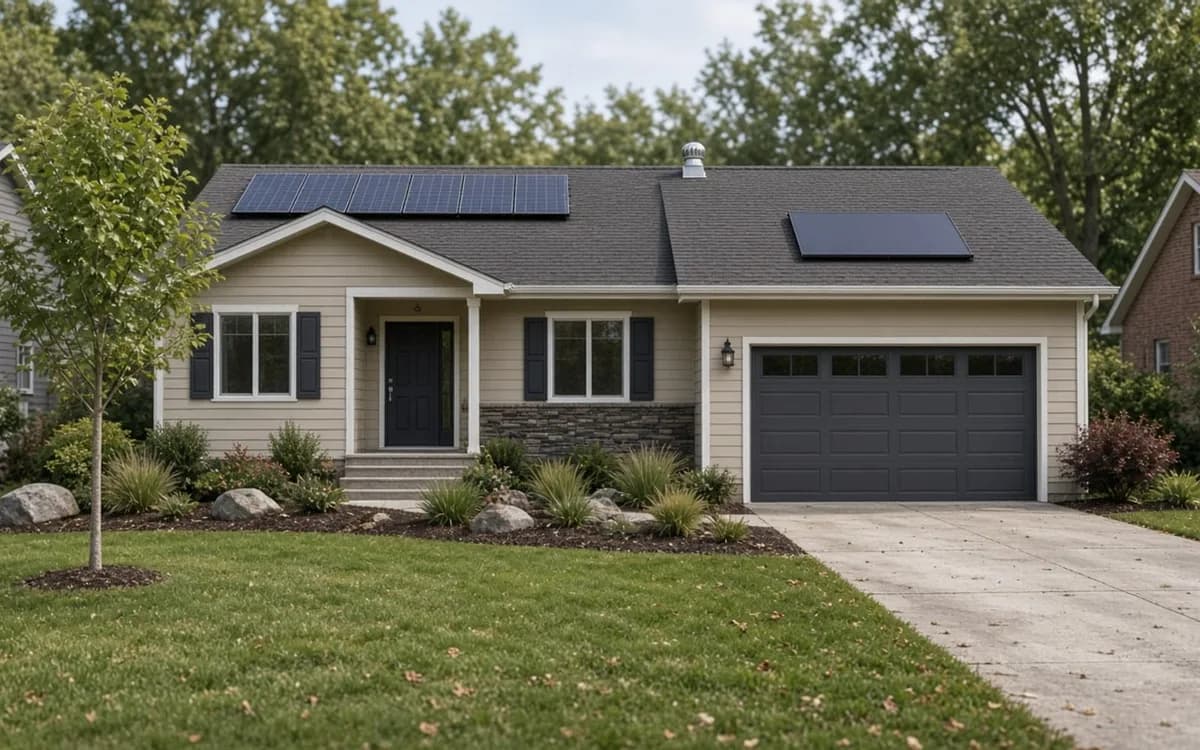
Solar panel installation covers the roof and shading assessment, equipment selection, electrical and structural permits, utility interconnection and the production and financial assumptions in the proposal.
Drafts are the most common comfort complaint and one of the most diagnosable. Our analysis of the federal government's 2024 household energy survey found 13.8% of occupied U.S. primary residences are drafty most or all of the time and another 41.3% some of the time, while households describe 17.6% as poorly insulated. Age matters too. Among owner-occupied homes, frequent draftiness runs 12.3% for houses built before 1990 against 5.8% for those built since, a 6.5 pts gap by our count, which is a reason to test the house you have rather than assume every older home needs the same fix.
A draft has a source and a path. Cold air enters low, through rim joists, crawlspace vents and gaps around pipes, and warm air leaves high, through recessed lights, attic hatches and top plates. That stack effect is why sealing the attic plane and the basement does more than caulking windows. A blower door test measures the total leakage and a smoke pencil or thermal camera finds the paths, which is what a diagnostic audit is for.
Angi's 2026 benchmark puts a professional home energy assessment at $437 on average, with a typical range of $212 to $698. HomeAdvisor's 2026 figure is the same $437, with basic walk-throughs at $150 to $200 and full diagnostic audits with blower door, duct test and thermal imaging reaching $500 to $900. Fixr's January 2025 national average is $250 for a standard audit on a 1,200 square foot home. Many utilities subsidize or provide audits, so check before paying retail.
The return comes from acting on the findings. Pearl Certification's 2026 statistics, citing Angi data, report homeowners save about $685/yr by acting on audit recommendations, which pays back a $437 audit in roughly seven months, and a professional audit identifies about 35 problems versus 12 for a DIY check. The calculator on this site sizes an audit by home size and diagnostic scope.
| Assessment type | Typical 2025–2026 cost | What it includes | Source |
|---|---|---|---|
| Basic walk-through | $150–$200 | Visual inspection, bill review, checklist | HomeAdvisor |
| Standard audit | $212–$698 (avg $437) | Blower door, infrared spot checks, written report | Angi / HomeAdvisor |
| Full diagnostic audit | $500–$900 | Blower door $350, duct test $100, thermal imaging $200 | HomeAdvisor |
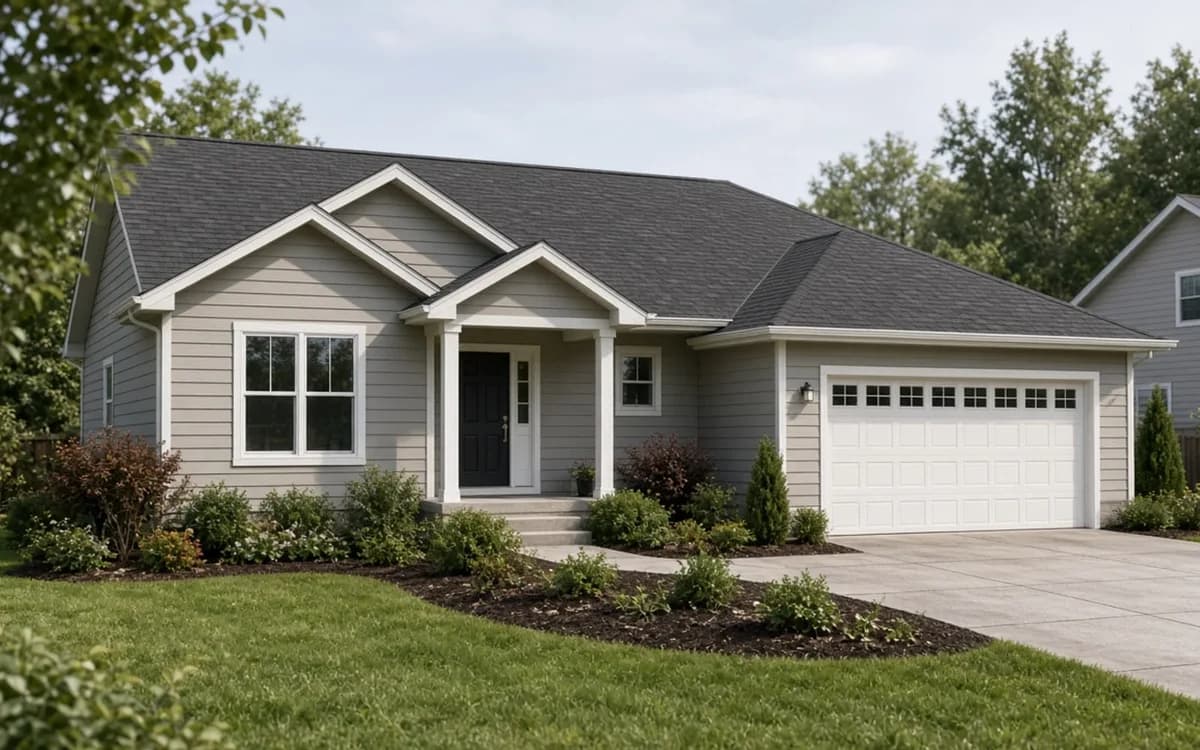
EPA estimates that sealing air leaks and adding insulation to attics, crawlspace floors and basements saves an average of 15% on heating and cooling, or 11% of total energy costs. On ENERGY STAR's typical bill of $1,900, nearly half of which is heating and cooling, that is roughly $140 to $200 a year. The Department of Energy's Weatherization Assistance Program, which treats about 32,000 homes annually, reports average savings of $372/yr from air sealing, insulation and HVAC fixes together.
Costs are modest by retrofit standards. HomeAdvisor's June 2026 guide puts attic insulation at $2,100 on average, blown-in at $1,661 and spray foam at $2,888. With 47.6% of homes having an attic and 85.6% of those unfinished according to the EIA, the attic is accessible in most houses and is the usual first job. The insulation and air sealing page covers material choice, ventilation and the combustion-safety check that must accompany any tightening.
Windows account for 25–30% of residential heating and cooling energy use according to DOE figures, yet their payback is slower than insulation because the installed cost is high. HomeAdvisor's 2026 average for a whole-home window project is $7,347, and Fixr puts a single replacement at $800. Replace windows when they are damaged, fail to operate, fog between panes, or are single-pane in a cold climate; our analysis of EIA 2024 data found 33.1% of homes still have mostly single-pane glass.
Doors are a different story. Zonda's 2025 Cost vs. Value report found a steel entry door replacement returns 216% of its cost at resale on a $2,435 job, the second-highest of any project, while vinyl window replacement recoups 68.5% and wood 61.2%. Comfort gains are real too: a 2025 This Old House survey of 1,000 homeowners found 89% reported lower bills after replacement. The window and door page explains how to judge the installed assembly rather than the label.
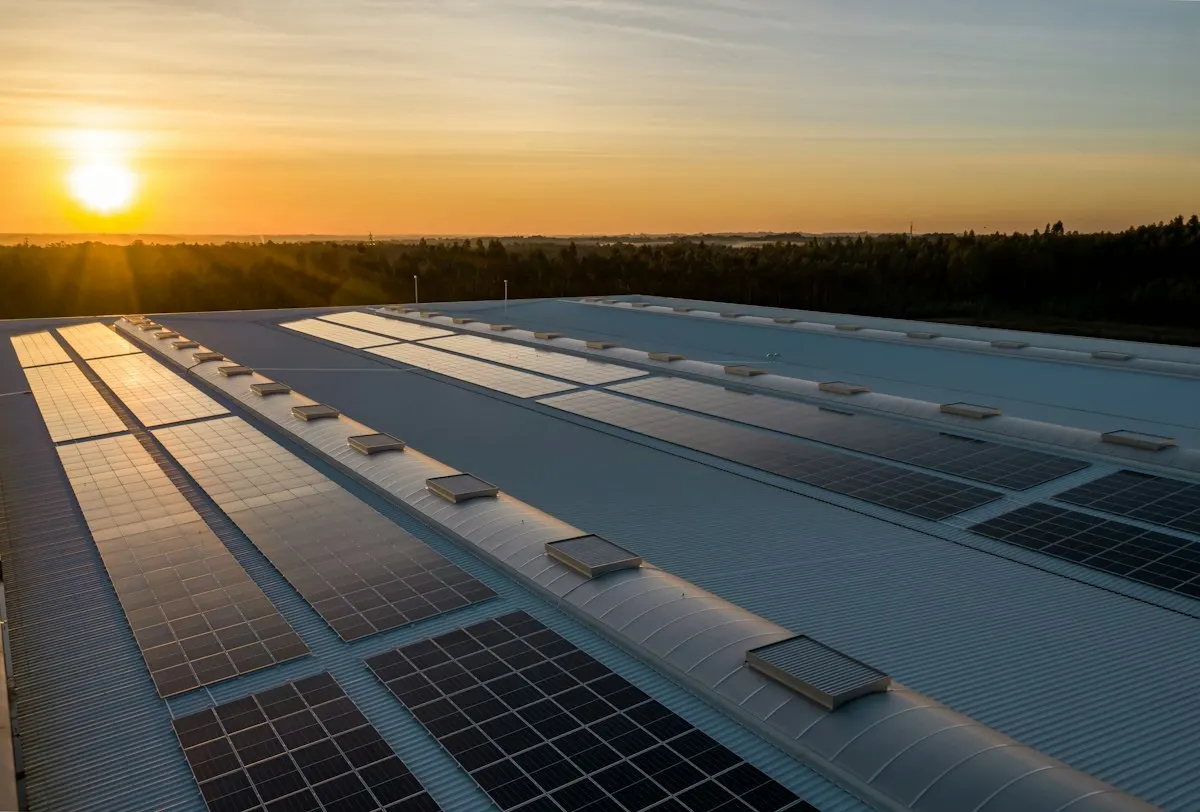
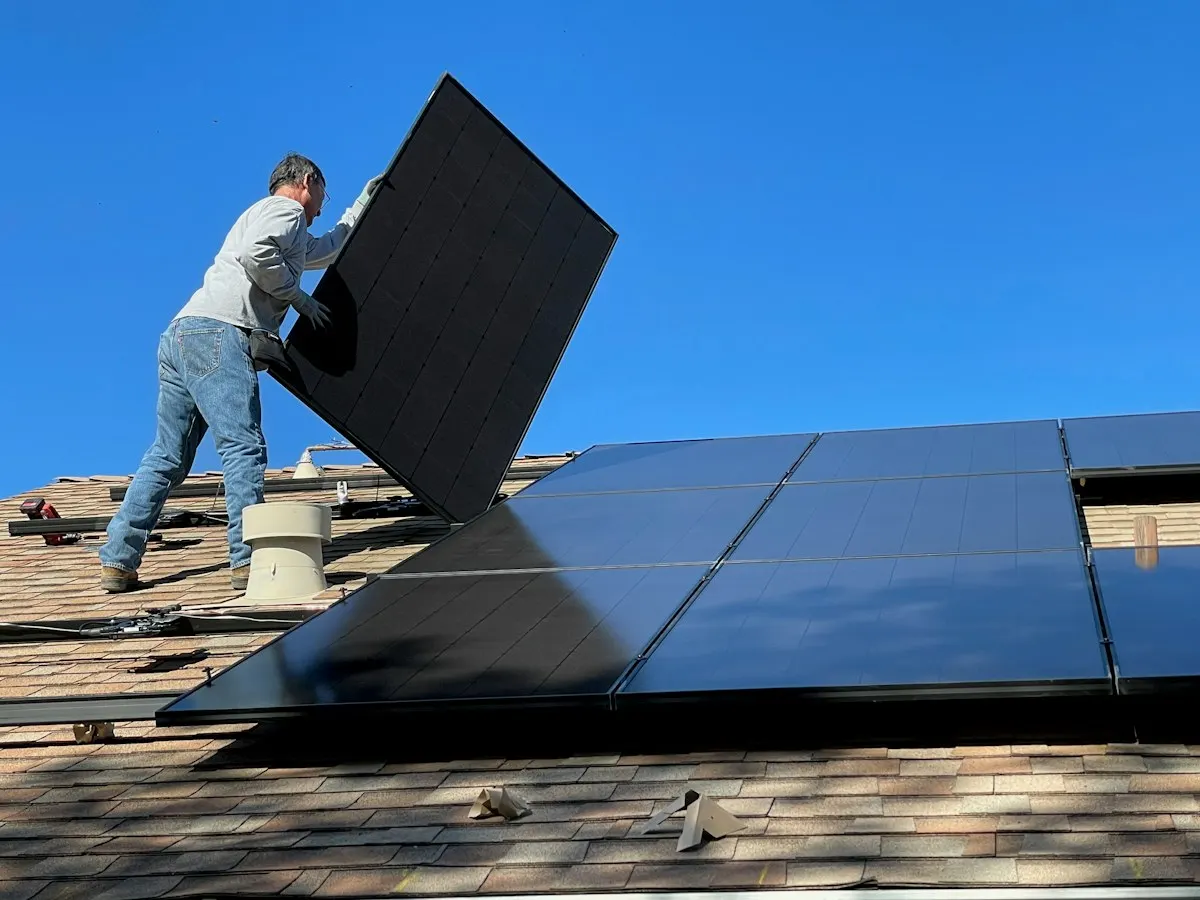
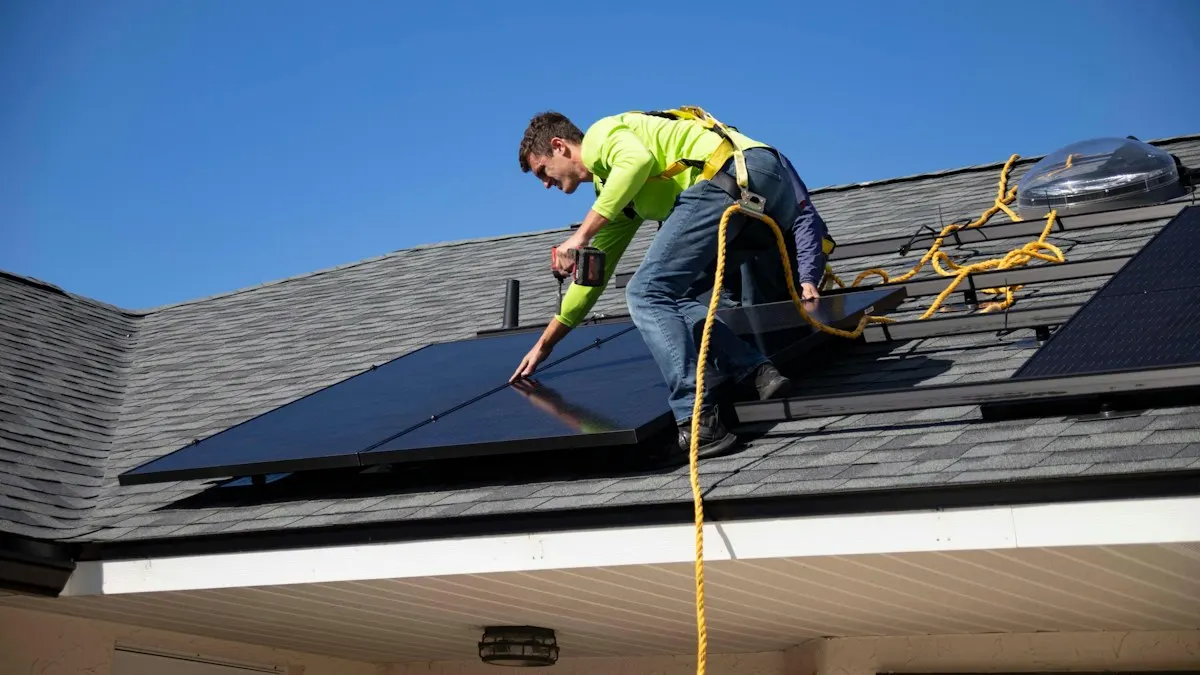
The 30% Residential Clean Energy Credit ended for property placed in service after December 31, 2025, according to IRS guidance, so a purchased 2026 system must stand on its own. Leases and PPAs are the exception: the company that owns the panels can still claim the commercial Section 48E credit on solar placed in service by December 31, 2027. EnergySage's June 2026 data puts solar at $2.60/W, about $31,135 for a 12 kW system before incentives, with an average payback near ten years and 25-year savings of $41,000 to $155,000 depending on local rates. Panels are roughly 12% of the price; labor, inverters and soft costs dominate.
Whether that pencils out depends on your utility's rates and net-metering rules, your roof's age and orientation, and how much load you have already removed with envelope work. Zillow's 2025 trends report found solar in +18% more for-sale listings and batteries up 62%, but NAR reports 52% of agents struggle to value solar in a sale. The solar page shows how to read production assumptions in a proposal.
Through the 2025 tax year, the Energy Efficient Home Improvement Credit (25C) covered 30% up to $3,200, with sub-limits of $600 for windows, $500 for exterior doors and $150 for an energy audit inside a $1,200 envelope cap, plus $2,000 for heat pumps. IRS guidance limits it to property placed in service by December 31, 2025. The IRS credit page confirms improvements made through that date, heat pumps included, are the last to qualify; work completed in 2025 is claimed on Form 5695 on 2025 returns filed in 2026. Projects installed in 2026 do not qualify.
The replacement is state and utility money. DOE's Home Electrification and Appliance Rebates offer up to $14,000 per household in states that have launched, with item caps of $8,000 for a heat pump, $4,000 for a panel upgrade and $1,600 for insulation and air sealing, and the HOMES program offers up to $8,000 for whole-home retrofits modeled at 20% savings or more. Eligibility depends on income and state launch status. Utility rebates for audits, insulation and heat pumps remain common. Verify every incentive for your address and installation date before counting it.
Assess, seal, insulate, then address equipment, then glass, then solar. Sealing before insulating matters because insulation slows heat conduction but does not stop air movement, and loose-fill insulation over unsealed top plates is a filter, not a barrier. Equipment after the envelope matters because a tighter house needs a smaller heat pump or furnace; HomeAdvisor's 2026 average heat pump installation is $6,088, and oversizing wastes part of it. Solar last, because every kilowatt-hour removed by the envelope is a panel you do not buy.
Two exceptions. Windows that are broken, rotted or unsafe come first regardless of energy math. And an audit that finds a combustion-safety problem, such as a water heater that backdrafts, must be fixed before any tightening. The readiness quiz tests whether you know the sequence, and the comparison pages weigh the choices inside each step.
Increasingly. NAR's 2025 Residential Sustainability Report found 47% of Realtors cite tax credits and rebates as the top driver of green home demand, 31% cite higher resale value, and 37% rank windows, doors and siding as the most important green features. A standardized score helps: RESNET reports 436,798 homes received a HERS Index score in 2024, with the registry passing 4.4 million rated homes.
The practical lesson is to keep records. A written audit report, the insulation contractor's before-and-after blower door numbers, window specifications with U-factor and solar heat gain coefficient, and the solar system's production history all help an appraiser and a buyer see the work. See regional differences on the locations page and what other homeowners prioritize in the planning polls.
Homeowner polls
Vote to see live results from other homeowners planning the same project.
The EIA found 13.8% of homes drafty most or all of the time and 41.3% some of the time.
No votes yet. Yours will be the first. · saved on this device
EPA estimates sealing and insulating saves about 15% of heating and cooling costs.
No votes yet. Yours will be the first. · saved on this device
The federal 25C and 25D credits ended for property placed in service after Dec 31, 2025.
No votes yet. Yours will be the first. · saved on this device
 Free toolEnergy audit cost calculator: size the assessment before the retrofit
Size, material tier and complexity in, a realistic budget range out.
 Free toolEnergy retrofit comparisons: the five decisions inside a retrofit
Side-by-side tables for the decisions that change the price most.
 Free toolEnergy retrofit readiness quiz: do you know the sequence and the tests?
10 questions that show what you already know and what to check next.
 Free toolEnergy retrofit polls: how other homeowners weighed the same decisions
See what other planners chose and add your vote.
Usually yes, for two reasons. The audit finds the air leaks that must be sealed before insulation goes in, and it checks combustion safety on gas appliances so that tightening the house does not cause a water heater or furnace to backdraft. It also often reveals a bigger problem, such as leaky ducts or an uninsulated rim joist, that an insulation-only contractor would not address. Many utilities subsidize audits, which lowers the cost of finding out.
EPA's estimate is 15% of heating and cooling costs, or 11% of total energy costs, for sealing plus attic, crawlspace and basement insulation. On a typical $1,900 annual bill that is roughly $140 to $200 a year. DOE's Weatherization Assistance Program reports $372 or more per year from a fuller package including HVAC fixes. Results depend on how leaky the house was to begin with; a blower door test before and after is the way to know.
Rarely on energy alone. A whole-home window project averages $7,347 per HomeAdvisor, and This Old House's 2025 survey found most homeowners saved $25 to $50 a month, so payback stretches past a decade. Windows earn their cost when they also fix damage, operation, condensation or comfort, or when single-pane glass in a cold climate makes a room unusable. Do the envelope first and let the audit say whether glass is the next problem.
No. The Energy Efficient Home Improvement Credit and the Residential Clean Energy Credit both ended for property placed in service after December 31, 2025, per IRS guidance. Work placed in service during 2025 is claimed on Form 5695 with the 2025 return. For 2026 projects, look to state-run HEAR and HOMES rebates where launched, utility rebates, and any state tax incentives, and confirm eligibility for your address and installation date in writing.
The envelope, in almost every case. A tighter, better-insulated house needs a smaller heat pump, which costs less to buy and runs more efficiently. The exception is a failed furnace or air conditioner that must be replaced now; in that case size the new equipment to the house you plan to have after envelope work, not the house you have today. ACEEE's Texas analysis found a heat pump replacing electric resistance heat pays back in about two years.
Ask for the production estimate in kilowatt-hours per year with the assumptions stated: roof orientation, tilt, shading losses, panel degradation and the utility rate and net-metering rule used. Compare the estimate against your last twelve months of usage. EnergySage's 2026 data puts average cost at $2.60 per watt with payback near ten years without the federal credit, so a proposal promising three-year payback needs an unusual explanation.
The Home Energy Rating System index is a standardized efficiency number from a certified rater, where 100 represents a reference new home and lower is better; RESNET reports the 2024 average for rated homes was 55. It is most common on new construction, but an existing home can be rated after a retrofit, which gives a buyer a comparable figure. It is separate from an energy audit, though some raters do both.
Certification is your check to make, and it matters more for audits than for installation. Look for BPI Building Analyst or RESNET HERS Rater credentials for assessments, and ask insulation contractors whether they perform blower door tests before and after. This site matches by service area and scope; licensing, insurance and credentials should be confirmed with each professional before hiring.
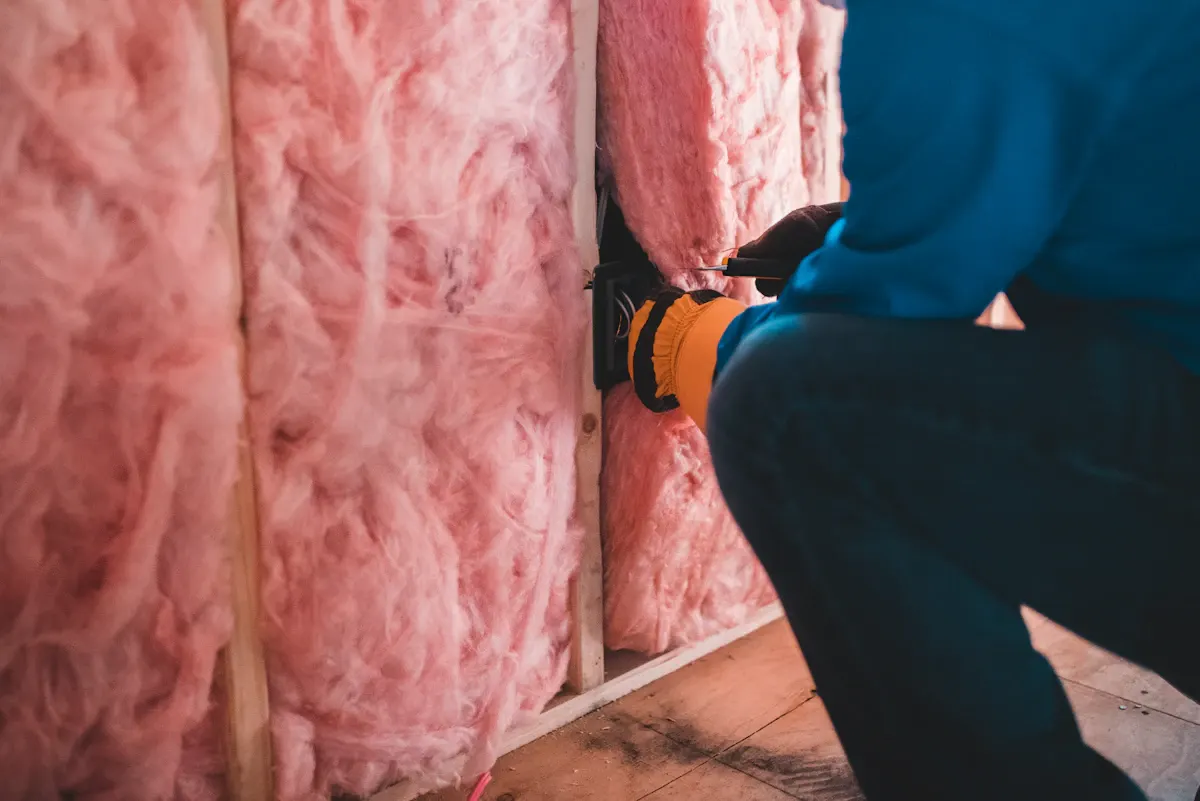



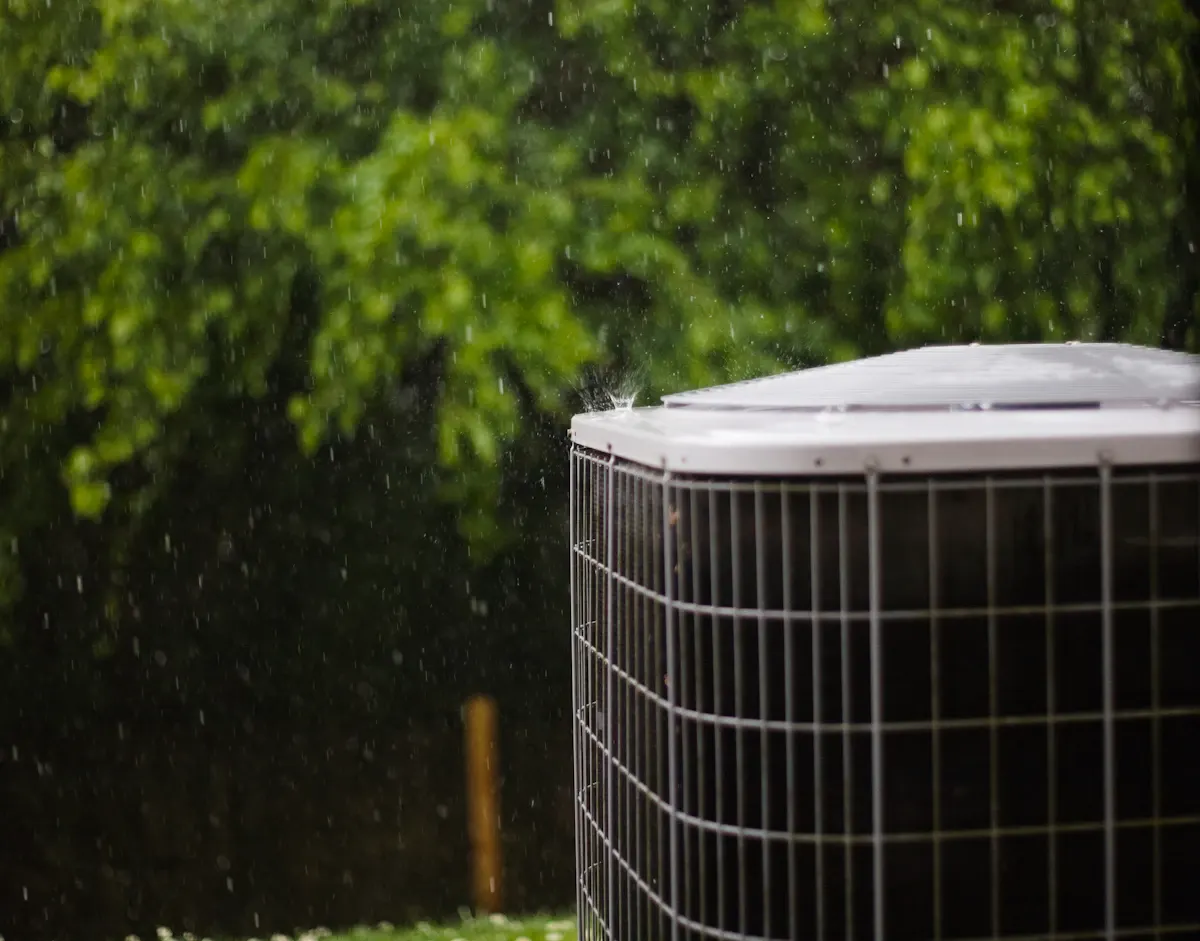
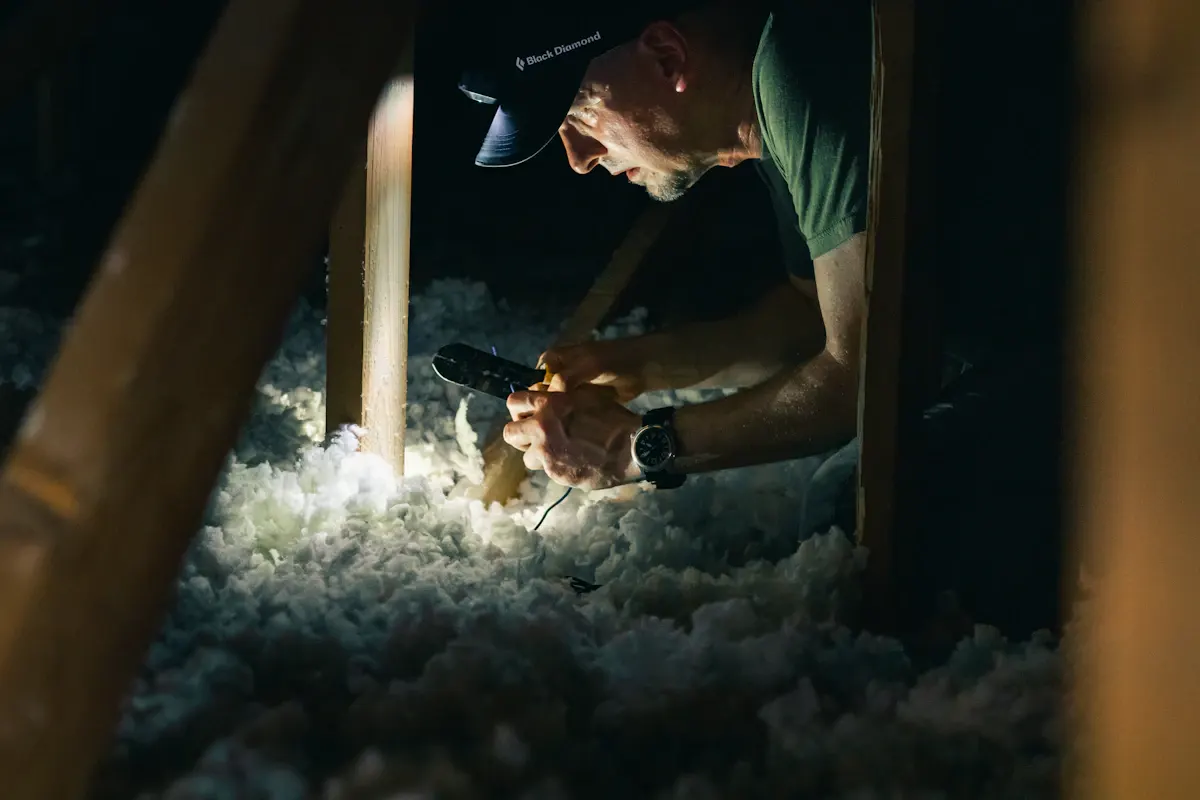
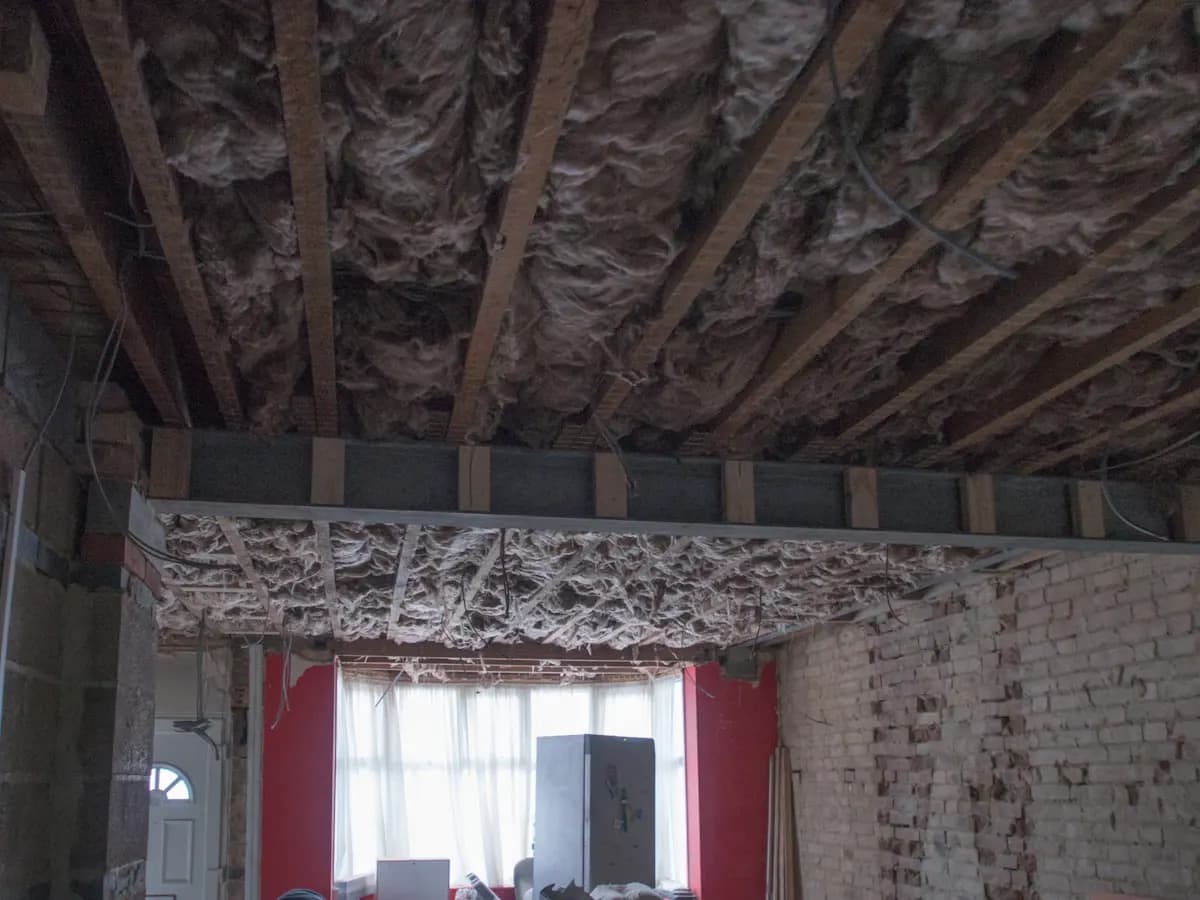
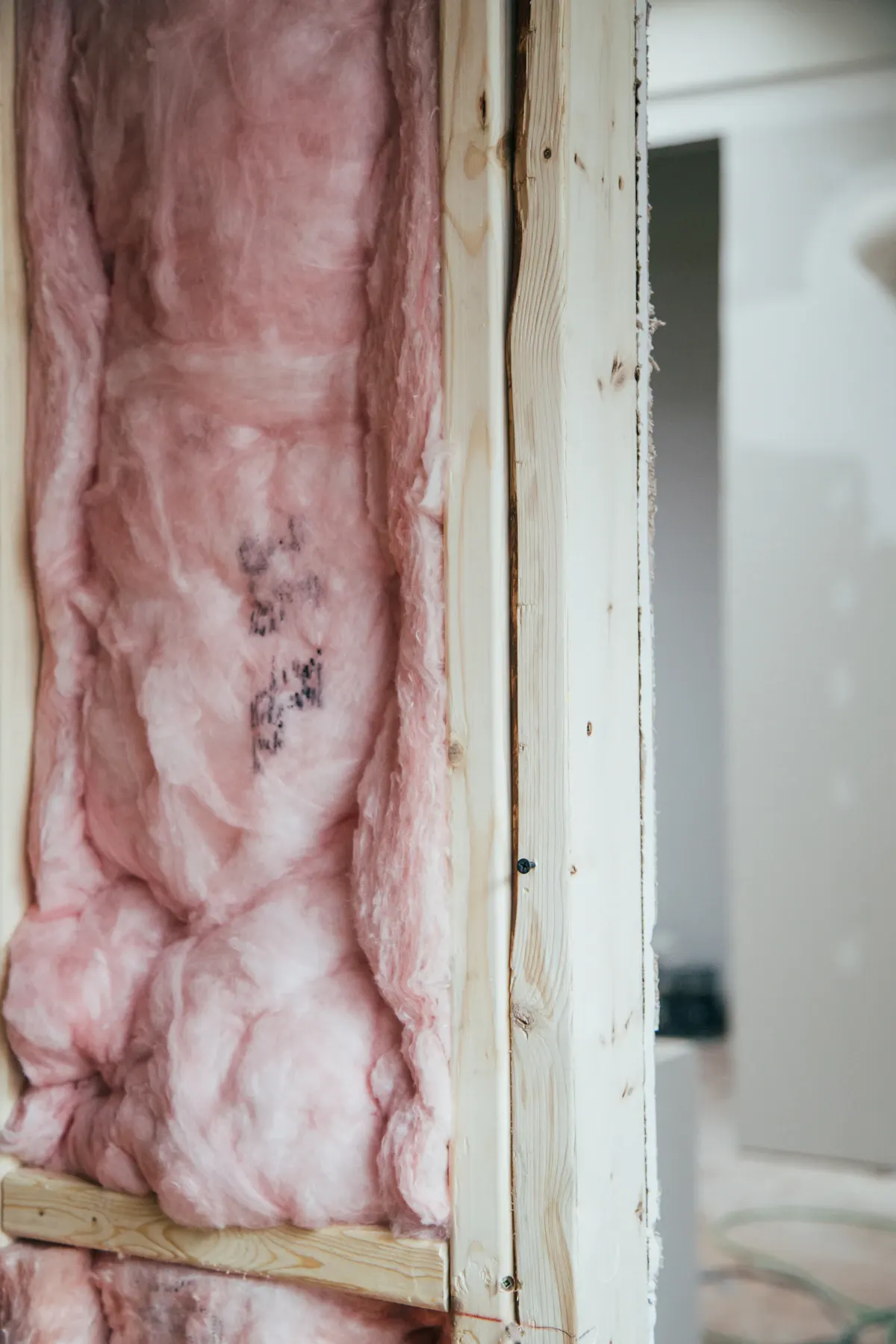
 LocationsRegional planning notes
How climate, codes and prices change a project across U.S. regions.
 ArticlesPlanning articles
Cost guides, checklists and mistakes to avoid before you sign.
 ReviewsHow to read reviews
What genuine contractor reviews look like and what they leave out.
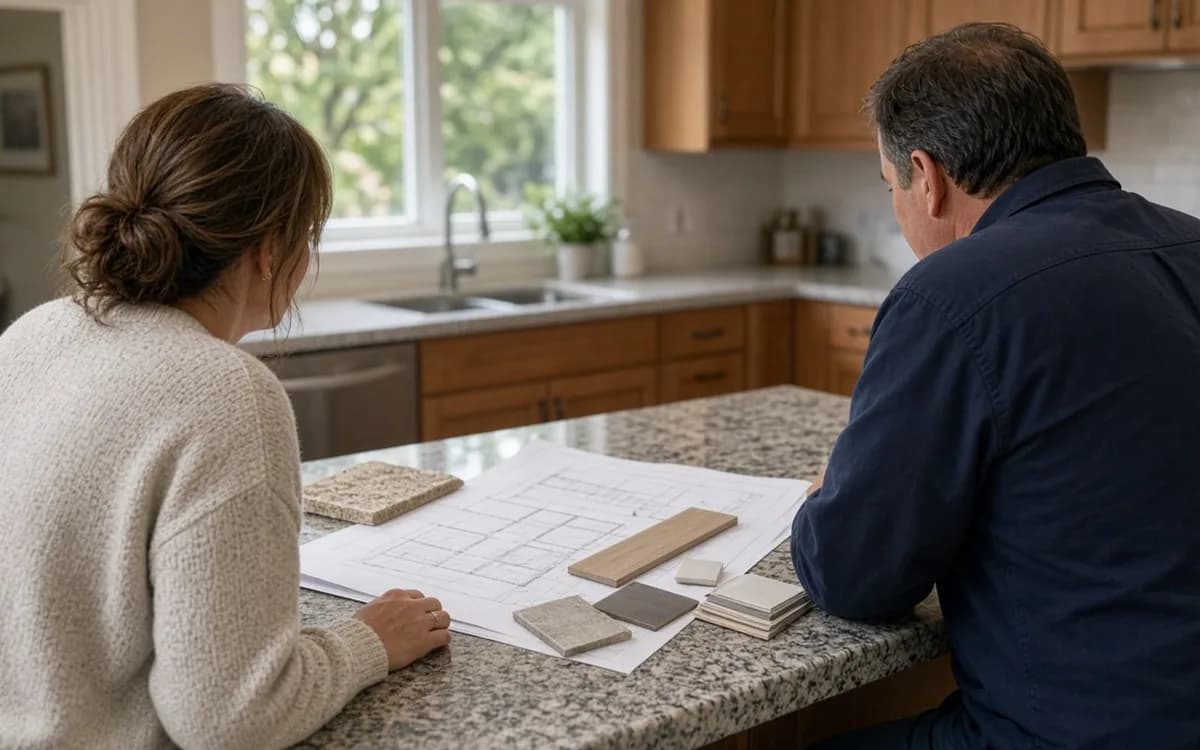
Tell us the size, the condition of what is there now, and what you want to change. Home Energy Scope passes your request to independent local professionals, who reply with written, no-obligation estimates. The service is free to use.