What total budget are you planning for energy work?
No votes yet. Yours will be the first. · saved on this device
Loading...
Home Energy Scope · Free estimate
Describe the comfort problems, share what utility history you have, note the home's age and previous upgrades, and say which scope you want priced: an audit, insulation and air sealing, windows and doors, or solar. Matched independent professionals reply with a free written estimate and no obligation. Keep savings claims and incentives tied to stated assumptions and confirmed eligibility.
The estimate you receive is only as good as the request. An auditor who knows the house is a 1978 two-story with a gas water heater, a finished basement and a north bedroom that never warms up can plan the visit. An insulation contractor who receives your blower door number and attic depth can price the job from the report. Our analysis of EIA 2024 survey data found 41.3% of homes drafty some of the time; saying where and when narrows the cause.
This page lists what to include, what to keep separate, and what happens next. Read the services hub first if you are unsure which scope to request, and run the calculator to have an assessment budget in mind.
Specifics about the house and the symptoms. Year built, stories, square footage, foundation type, heating and cooling fuel and equipment age. Rooms that are hot, cold, drafty or damp, and when. Twelve months of utility use if you can pull it from your account, or at least the summer and winter peaks. Previous work: insulation added, windows replaced, equipment changed. And any assessment report you already have, which lets a contractor price from measured numbers.
State the scope. 'Diagnostic audit with blower door and combustion safety' is a request an auditor can quote. 'Attic air sealing and blown-in to R-49 with test-out' is a request an insulation contractor can quote. 'Replace six single-pane windows on the north side, full-frame if rot is found' is a window request, and a common one, since our analysis of EIA 2024 survey data found 33.1% of homes still have mostly single-pane glass. 'Solar sized to 9,000 kWh per year after planned envelope work' is a solar request. The quiz surfaces most of these details.
Keep savings claims and incentives out of the price until they are stated with assumptions and confirmed. The federal 25C and 25D credits ended for property placed in service after December 31, 2025, and any proposal that still includes them is out of date. State HEAR rebates of up to $14,000 per household depend on income tier and whether your state has launched. Ask each pro to show the price before incentives, then the confirmed incentives as separate lines with the program named.
Keep other bidders' prices to yourself. Comparing is your job, and it works when each pro prices the scope on its merits. If one proposal is far from the others, ask what it includes that the others do not; the answer is often a test-out, a flashing detail or a panel upgrade that the cheaper bid left out.
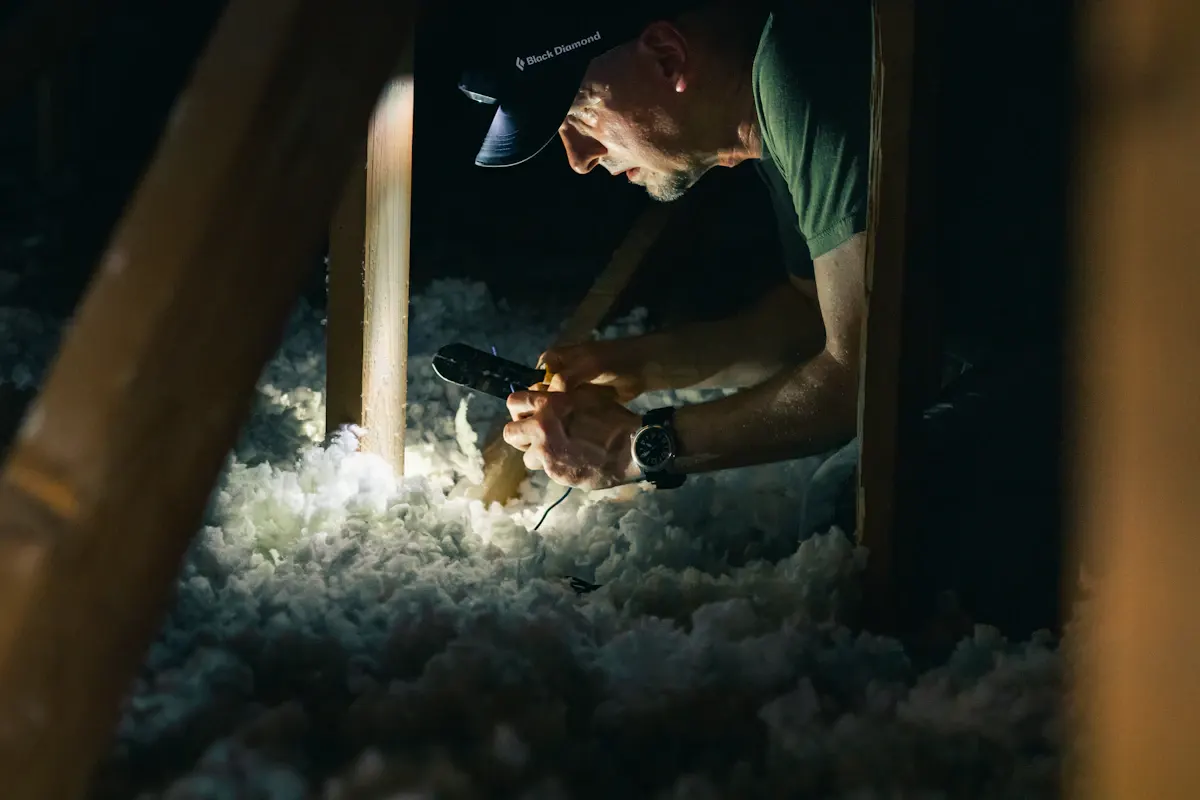
Independent professionals serving your area and scope receive the request and respond, usually with questions. Auditors will schedule a visit and state their fee; Angi's 2026 benchmark is $437 on average. Insulation, window and solar contractors will want a site visit before a firm price. Compare written proposals using the four questions on every service page: measured problem, moisture and safety handling, savings assumptions, confirmed incentives.
Whole-house quotes add up quickly: HomeAdvisor puts the average heat pump installation at $6,088 and the average whole-home window project at $7,347. If estimates arrive above budget, ask to phase: audit and attic sealing now, windows as they fail, equipment at end of life, solar last. The audit report is the plan for all of it.
Four questions get useful answers from any energy professional. What measured or observed problem does this recommendation address? How are moisture, ventilation and combustion safety handled? What assumptions support any savings estimate? Which incentives are currently confirmed for this home, product and installation date? A pro who answers all four in writing has told you how they work.
Homeowner polls
No votes yet. Yours will be the first. · saved on this device
No votes yet. Yours will be the first. · saved on this device
Most professionals prefer a short call and then a site visit, because attic depth, duct location and roof condition cannot be judged from a form. You can ask for written questions first. Whatever the format, ask for the final proposal in writing with the measured problem, the scope by area, the savings assumptions and the confirmed incentives as separate items.
One or two for an audit, since scope and credentials matter more than price. Three for insulation, windows or solar, where scope differences are large and easy to miss. Beyond three the site visits pile up without adding much. Compare what each includes, not just the total; a bid without a test-out or without flashing detail is a different job.
Yes, and that is normal; the audit is the product. Angi's 2026 benchmark is $437 on average within $212 to $698, and utilities often subsidize it. Insulation, window and solar contractors usually visit free before quoting. Any fee should be stated before the visit.
Yes, with the landlord's permission for the visit and for any work. An audit is often the most useful thing a renter can commission, because the report gives the owner a prioritized list and may unlock utility programs the owner can use. Say in the request that you rent so the auditor frames the report for the owner.
That is the recommended path. Ask for a diagnostic audit with a written, prioritized report, then use the report to request bids for the measures it recommends. Keep the auditor independent of the installers if the budget allows, or if one company does both, insist on before-and-after blower door numbers.
Send the production estimate and its assumptions with your request and ask a second installer to price the same system size and state the same assumptions, so the two are comparable. If a purchase proposal still subtracts the 30% homeowner credit, it predates the December 31, 2025 end date and needs updating. An audit first may also shrink the system you need.
Within a few business days for most scopes. Auditors and insulation contractors are busiest in fall and early winter; solar installers in spring and summer, with permitting and interconnection adding months after signing. If you have a deadline, such as before heating season, put it in the request.
 Service guideHome Energy Audits
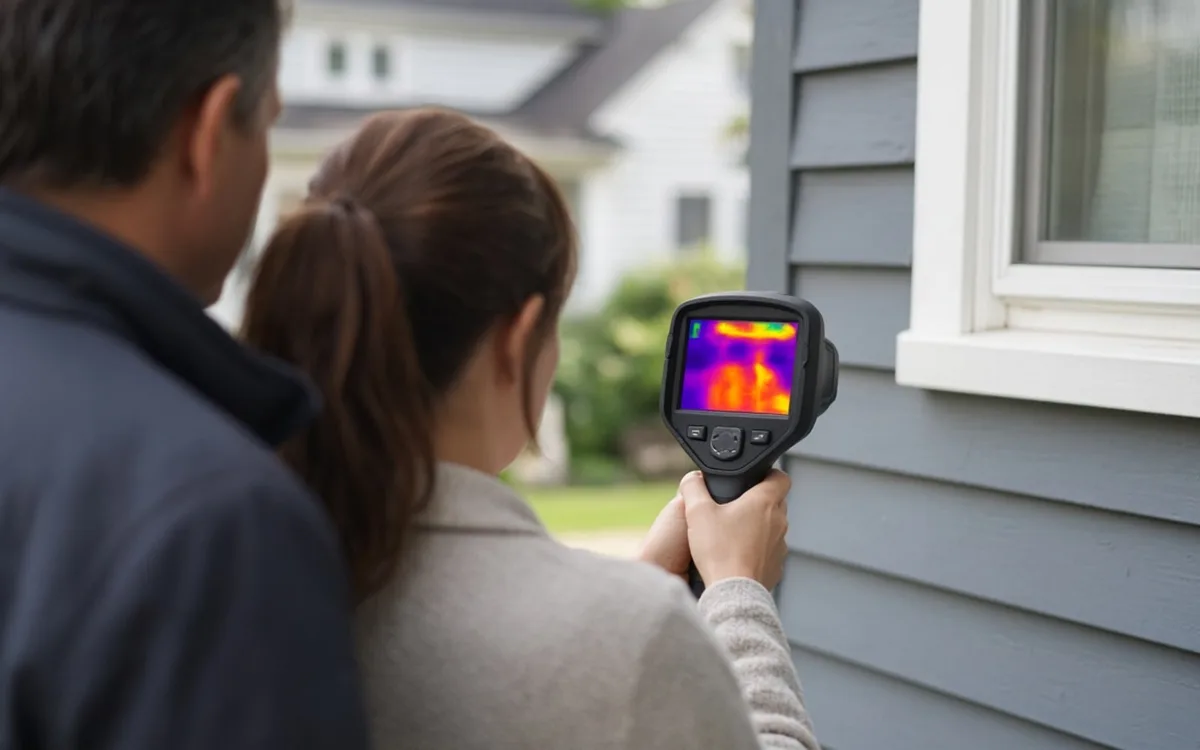
A home energy audit connects comfort complaints and utility bills to the measured condition of the house through a blower door test, thermal imaging, duct leakage testing and combustion-safety checks, then delivers written, prioritized recommendations.
 Service guideInsulation & Air Sealing
Air sealing closes the gaps that move air through the attic plane, rim joist and penetrations; insulation slows heat conduction through the assemblies around them.
 Service guideWindow & Door Replacement
Window and door replacement addresses openings with a defined problem: damage, failed seals, poor operation, drafts, single-pane glass in a cold climate, or a door that leaks and does not latch.
 Service guideSolar Panel Installation
Solar panel installation covers the roof and shading assessment, equipment selection, electrical and structural permits, utility interconnection and the production and financial assumptions in the proposal.